


Ziplock Bags vs Self-Sealing Bags: Understanding the Key Differences for Your Packaging Needs
Back to previous pageZiplock Bags vs Self-Sealing Bags: What's the Difference?
When searching for the right plastic packaging solution, buyers often encounter two terms that sound similar yet refer to distinct product categories: ziplock bags and self-sealing bags. While both offer resealable functionality, their construction, sealing mechanism, and ideal applications differ significantly. Understanding these differences helps businesses make informed packaging decisions that optimize both cost and performance.
Sealing Mechanism
Self-sealing bags (also called zipper bags or minigrip bags) feature a built-in plastic zipper track — two interlocking plastic rails that press together to create a secure seal. The zipper is integrated into the bag during manufacturing, forming a permanent part of the bag structure. Opening and closing is as simple as pressing the tracks together or pulling them apart.
Ziplock bags typically refer to bags with a separate sliding zipper closure. A small plastic slider moves along the zipper track to open or close the seal. This mechanism provides a more tactile sealing experience and is often preferred for applications where users need a clear visual and physical confirmation that the bag is sealed.
Material Thickness and Durability
Self-sealing bags are commonly manufactured from LDPE (Low-Density Polyethylene) or PE blends, with thicknesses ranging from 0.03mm to 0.10mm. They are lightweight, flexible, and economical — ideal for packaging lightweight items, organizing small components, or protecting documents.
Ziplock bags with slider closures often use thicker materials, typically 0.06mm to 0.15mm, providing enhanced puncture resistance and durability. This makes them suitable for heavier contents, frozen food storage, or industrial applications requiring repeated opening and closing.
Cost Comparison
Self-sealing bags are generally more cost-effective due to their simpler manufacturing process. The integrated zipper track requires fewer components and less assembly time. For businesses that need high-volume packaging at competitive prices, self-sealing bags offer excellent value.
Ziplock bags with slider closures carry a slightly higher per-unit cost because of the additional slider component. However, the enhanced sealing confidence and thicker material can justify the price difference for premium packaging applications.
Application Recommendations
- E-commerce & retail: Self-sealing bags for clothing, accessories, and small items
- Food storage: Ziplock slider bags for frozen items and long-term storage; self-sealing bags for dry snacks
- Industrial & hardware: Self-sealing bags for organizing screws, bolts, and small parts
- Medical & pharmaceutical: Ziplock slider bags for secure specimen transport
- Document protection: Self-sealing bags for archival and filing purposes
Customization Options
Both bag types offer extensive customization for branding and functionality:
- Colored self-sealing bags: Available in transparent, white, and various colors for brand differentiation
- Double-bone (double-track) self-sealing bags: Two parallel zipper tracks for enhanced seal strength
- Custom printing: Logo, product information, or warning labels printed directly on the bag
- Size variations: From small jewelry pouches to large garment bags
Choosing the Right Bag for Your Business
Consider these factors when selecting between ziplock and self-sealing bags:
- Content weight: Lightweight items suit self-sealing bags; heavier contents may need ziplock slider bags
- Sealing frequency: If the bag will be opened and closed many times, either type works well
- Budget constraints: Self-sealing bags offer lower per-unit costs for large orders
- Brand presentation: Both types support custom printing and colored options
- Regulatory requirements: Food-grade and medical-grade options are available in both categories
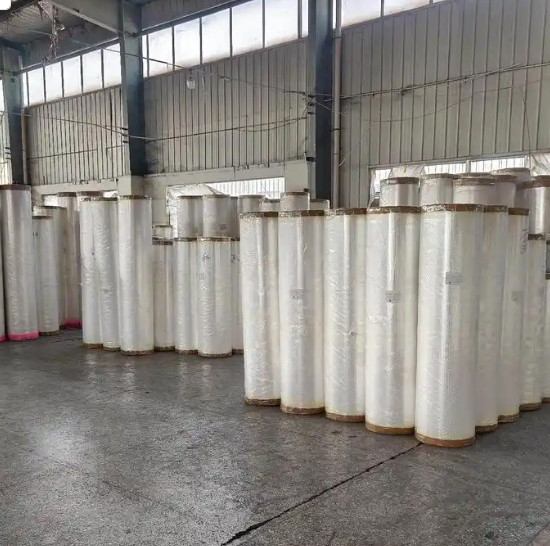
At YDF Packaging, we manufacture both self-sealing bags and ziplock-style resealable bags, with monthly production capacity exceeding 100 tons. Whether you need standard sizes or custom specifications, our 10,000m² production base and two core factories ensure consistent quality and fast delivery. Contact us to discuss your packaging requirements and receive a tailored solution.

-
Contact Us
 Learn moreTel: +86-15602809087 Water Yang
+86-15815931682 Helena He
-
Product Category
-
COMPANY
-
LET'S STAY IN TOUCH


