
Custom Printed Ziplock Bags: Gravure vs Flexo Printing on PE Film
Back to previous pagePrint is often the deciding factor when two quotations for the same resealable bag look identical on paper. A plain transparent ziplock bag protects the product, but a bag that carries the brand name, usage icons, and a colour code also sells the product. For buyers sourcing self-sealing PE bags, understanding how printing actually works on polyethylene film helps set realistic expectations on cost, colour accuracy, and lead time.
Gravure and Flexo: The Two Main Routes
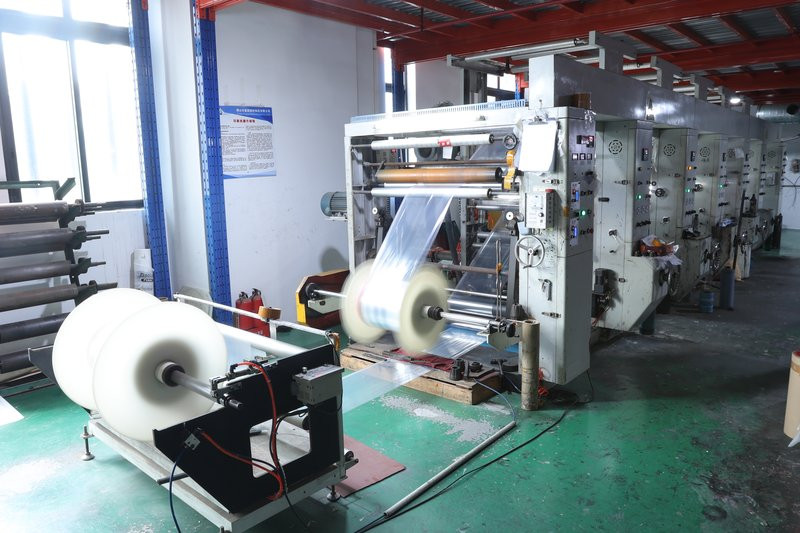
Two processes dominate PE bag printing. Gravure printing engraves the artwork onto a cylindrical plate, one cylinder per colour. It delivers sharp, consistent results at high speed and is the standard choice for repeat orders above roughly 50,000 bags per design, because cylinder cost is only worth spreading across large volumes. Flexographic printing uses raised rubber or photopolymer plates and suits shorter runs and simpler artwork. Flexo is cheaper to set up and faster to turn around, but fine gradients and very small text reproduce less cleanly. Most factories will recommend the process after seeing the artwork and the order quantity together.
Where the Ink Sits Matters
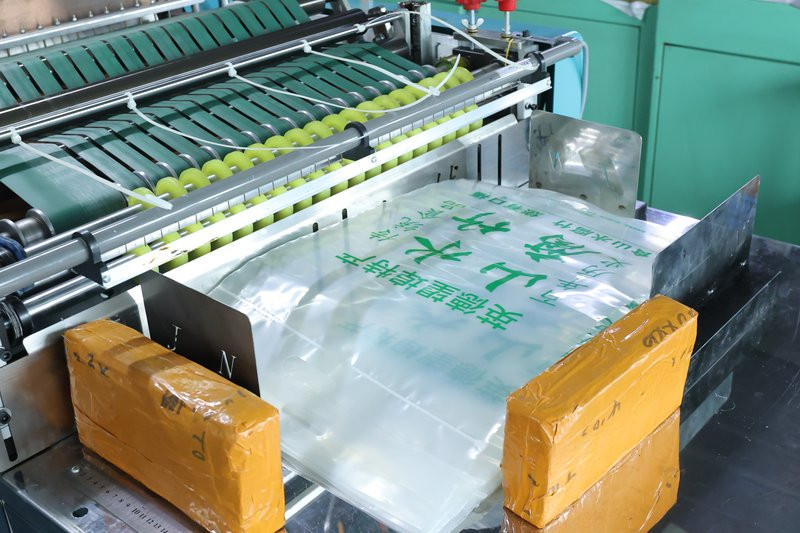
On a single-layer PE ziplock bag, ink is printed on the film surface, so it must bond through corona treatment and withstand rubbing during transport. On heavier zipper bags where the film is folded and the print sits between layers, the artwork is protected inside the construction, which is why prints on some bags survive years of handling. Buyers packing food should confirm which side carries the ink; factories running food-grade orders keep printing inks away from the food-contact surface by design.
Colour Control in Practice
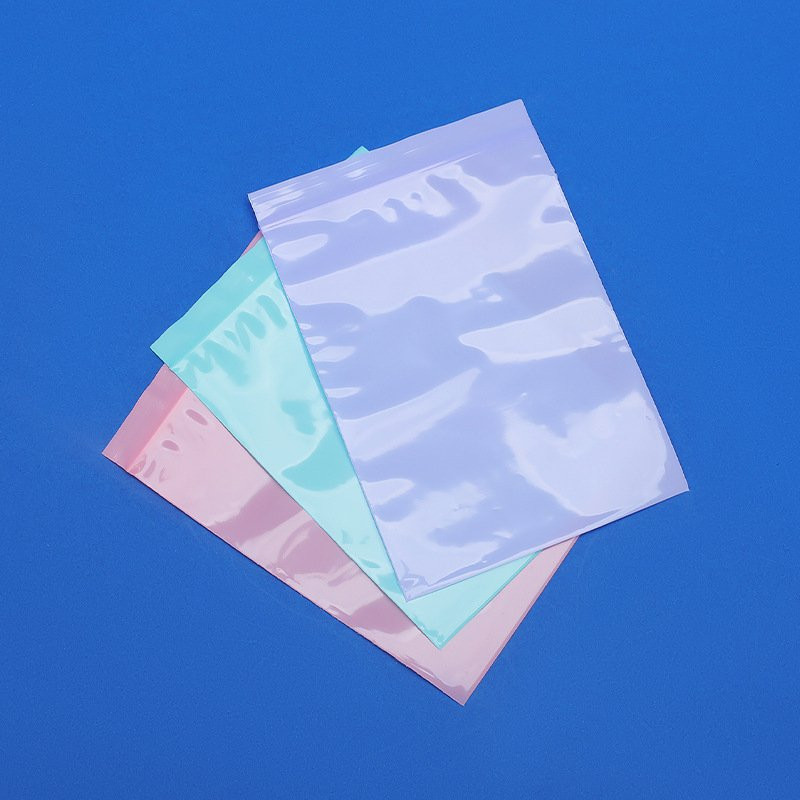
Colour accuracy starts with the ink formula and the masterbatch that colours the base film. A factory that mixes its own inks can match a Pantone reference closely and hold it across batches, while re-ordering through intermediaries often shifts the shade slightly. Sensible buyers approve a printed sample, keep it as the reference standard, and state the acceptable tolerance in writing before mass production.
What to Send for a Fast Quote
To quote accurately, a factory needs the artwork in vector format, the bag size and gauge, the number of print colours and their positions, and the order quantity. With those details, a responsive factory can usually confirm the process, plate cost, and unit price within one working day - and suggest a simpler design if the same shelf effect can be achieved at lower cost.
-

Aug 24,2026
Flat Pouches vs Stand-Up Pouches: Choosing the Right Flexible Packaging Format for Retail and E-Commerce
view more -

Aug 17,2026
Monomaterial Flexible Packaging Design: The Path to Truly Recyclable Plastic Bags
view more -
Feb 09,2025
What material is the drug packaging bag made of?
view more
-
Contact Us
 Learn moreTel: +86-15602809087 Water Yang
+86-15815931682 Helena He
-
Product Category
-
COMPANY
-
LET'S STAY IN TOUCH


