


Anti-Static Ziplock Bags for Electronics: How ESD Protection Works and When to Specify It
Back to previous pagePrinted circuit boards, sensors, connectors, and other electronic components can be damaged by an electrostatic discharge far too small for a person to feel — as little as 30 volts in sensitive semiconductors. For exporters and contract manufacturers in the electronics supply chain, the resealable bag that holds each component is not just packaging; it is part of the quality system. This article explains how anti-static ziplock bags work, how they differ from other ESD packaging, and when buyers should actually specify them.
Why Ordinary PE Bags Are a Risk for Electronics
Standard low-density polyethylene (LDPE) film is an excellent moisture and dust barrier, but it is also an insulator. As components slide against the film during handling and transport, charges build up on the bag surface and discharge when the film touches a grounded conductor. For most goods this is invisible; for electronics it quietly degrades semiconductors, causing latent failures that only appear weeks later in the field. That is why electronics buyers increasingly ask their bag supplier for anti-static (ESD-safe) treatment on every order.

Three Levels of ESD Protection — and Where Ziplock Bags Fit
ESD packaging is usually classified by surface resistance, measured in ohms per square:
1. Static dissipative bags (10⁹–10¹¹ Ω)
This is the typical anti-static ziplock bag. Anti-static agents are blended into the LDPE during blown film extrusion, giving the film a faint pink or clear tint and allowing charges to bleed off slowly instead of accumulating. These bags are the workhorse for internal storage, kitting, and re-sealable component storage — the zipper closure lets operators open and close the bag dozens of times without losing protection.
2. Conductive bags (10³–10⁵ Ω)
Carbon-loaded black polyethylene quickly drains charge to ground. It suits dense component storage but is opaque, so barcode labels and visual inspection become harder.
3. Static shielding bags (10⁶–10⁹ Ω)
With metallized layers laminated between PE films, these actually block an external discharge from reaching the contents. They cost more and are usually reserved for finished boards and long-distance shipping. A common and cost-effective practice is to use shielding bags for the outer shipment and dissipative ziplock bags for inner organization — buyers should not assume the two are interchangeable.

When to Specify Anti-Static — and When It Is Overkill
As a rule of thumb: if the shipment contains semiconductors, PCBs, LEDs, or precision sensors, anti-static treatment belongs on every layer of packaging that touches or surrounds the product. For non-electronic goods such as apparel, hardware, or food, ordinary clear PE bags remain the right, economical choice — paying for ESD protection adds cost with no benefit. Many buyers also combine anti-static film with a humidity indicator card or desiccant sachet inside the bag to control moisture during ocean freight.
Practical Buying Tips from the Factory Floor
- Thickness: 50–80 micron (5–8 mil) film balances puncture resistance with flexibility for small components.
- Verification: ask for surface resistance test reports on each production batch, not just the first sample.
- Printing: ESD warning symbols and lot codes can be flexo-printed without compromising the dissipative layer.
- Re-sealability: a double-track zipper keeps dust out during repeated access on the production line.
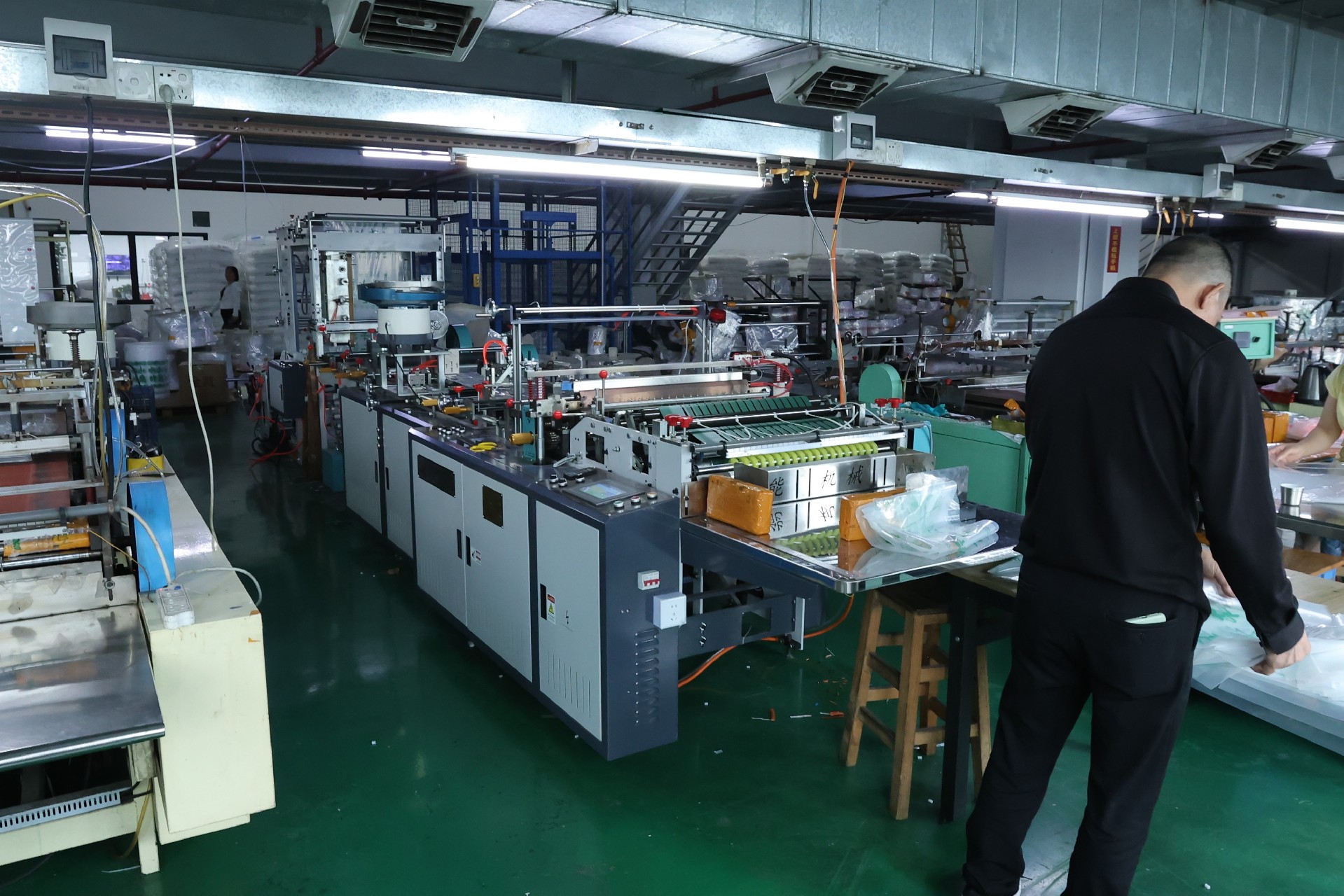
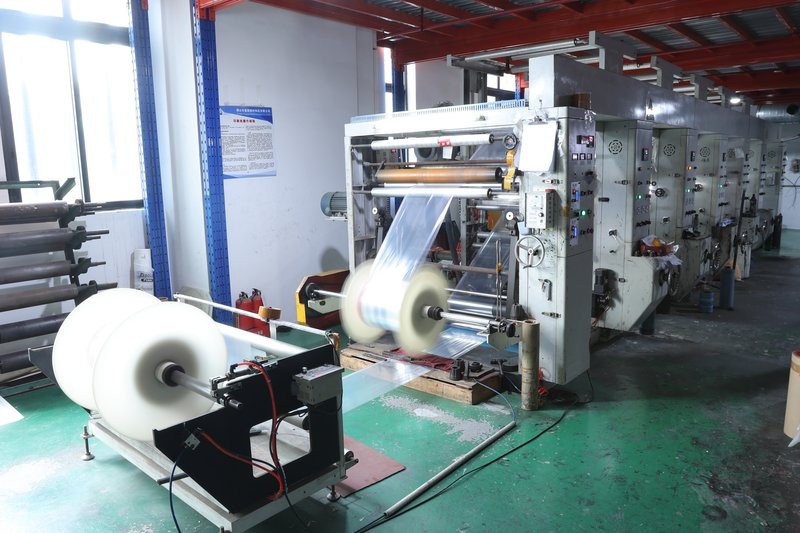
As a factory specializing in PE self-sealing bags, we produce anti-static, clear, and custom-printed ziplock bags in the same production line as our standard products, so buyers can mix specifications in one order without extended lead times. Whether you need 500 samples or container volumes, matching the right ESD protection level to your product is the fastest way to cut packaging cost without cutting protection.


-
Contact Us
 Learn moreTel: +86-15602809087 Water Yang
-
Product Category
-
COMPANY
-
LET'S STAY IN TOUCH


