

Global Flexible Packaging Market 2026: Growth Drivers, Sustainability Shifts, and Regional Demand
Back to previous pageThe Flexible Packaging Industry at a Glance
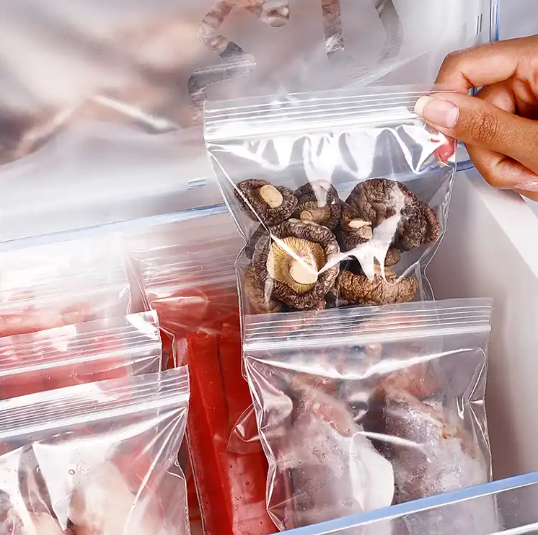
The global flexible packaging market continues its upward trajectory in 2026, driven by rising e-commerce volumes, urbanization in emerging economies, and a growing preference for lightweight, resealable packaging formats. According to industry analysts, the market is projected to surpass USD 290 billion by 2028, with plastic-based solutions — including self-sealing bags, ziplock bags, and flat pouches — accounting for over 70% of total volume. For manufacturers and B2B buyers alike, understanding the forces shaping demand is essential for strategic sourcing and capacity planning.

Key Growth Drivers in 2026
Several interconnected trends are fueling expansion across the flexible packaging sector:
- E-commerce and last-mile delivery: Online retail continues to grow at 8-12% annually in major markets, directly increasing demand for protective, lightweight packaging such as self-sealing bags and packing tape.
- Convenience food segment: Ready-to-eat meals, snack packaging, and meal-kit deliveries rely heavily on resealable bags that preserve freshness and offer consumer convenience.
- Pet care industry growth: The global pet care market is expanding rapidly, driving demand for specialized packaging such as cat litter bags with odor-control barriers and tear-resistant construction.
- Sustainability mandates: Extended Producer Responsibility (EPR) regulations in the EU, UK, and parts of Asia are pushing manufacturers toward recyclable monomaterial designs and post-consumer recycled (PCR) content integration.
Regional Demand Shifts
Asia-Pacific remains the largest and fastest-growing region, accounting for over 40% of global flexible packaging consumption. China and India are leading this growth, supported by expanding middle-class populations, rapid retail modernization, and domestic manufacturing capacity. Southeast Asian nations are also emerging as significant demand centers for cost-effective resealable packaging solutions.
In North America and Europe, growth is more moderate but characterized by a strong shift toward sustainable materials. Buyers in these regions increasingly require suppliers to provide recyclability documentation, PCR content percentages, and compliance with regulations such as EU Directive 94/62/EC on packaging waste. This regulatory landscape is reshaping procurement criteria — price competitiveness alone is no longer sufficient.
Latin America and Africa present growing opportunities as retail infrastructure develops and local manufacturing capabilities expand. Demand for practical, affordable packaging formats — including drawstring trash bags and flat pouches — is rising steadily in these regions.
What This Means for B2B Buyers
For procurement professionals sourcing flexible packaging, the current market dynamics create both opportunities and challenges. On one hand, expanded global production capacity and competitive pricing benefit volume buyers. On the other, tightening sustainability regulations and fluctuating raw material costs require careful supplier evaluation. Partnering with established manufacturers who maintain quality certifications, offer material traceability, and can adapt to evolving regulatory requirements — such as YDF Packaging with its comprehensive product range and 100-ton monthly self-sealing bag capacity — provides a reliable foundation for long-term packaging sourcing strategies.
-
Aug 12,2026
Drawstring Trash Bags in Commercial and Institutional Settings: Key Performance Specifications and Material Choices
view more -

Aug 21,2026
Common Self-Sealing Bag Defects and How Premium Manufacturers Prevent Them: A 2026 Quality Engineering Guide
view more -

Aug 21,2026
Custom Printing Techniques for Self-Sealing Bags: Rotogravure vs Flexographic vs Digital Printing for Brand Packaging
view more
-
Contact Us
 Learn moreTel: +86-15602809087 Water Yang
-
Product Category
-
COMPANY
-
LET'S STAY IN TOUCH


