

Choosing the Right Resealable Bag: PE vs PP Material Comparison Guide
Back to previous pageUnderstanding PE and PP Resealable Bags
When sourcing resealable bags for your business, the choice between polyethylene (PE) and polypropylene (PP) materials significantly impacts product performance, cost, and customer satisfaction. Both materials offer distinct advantages depending on your application requirements.
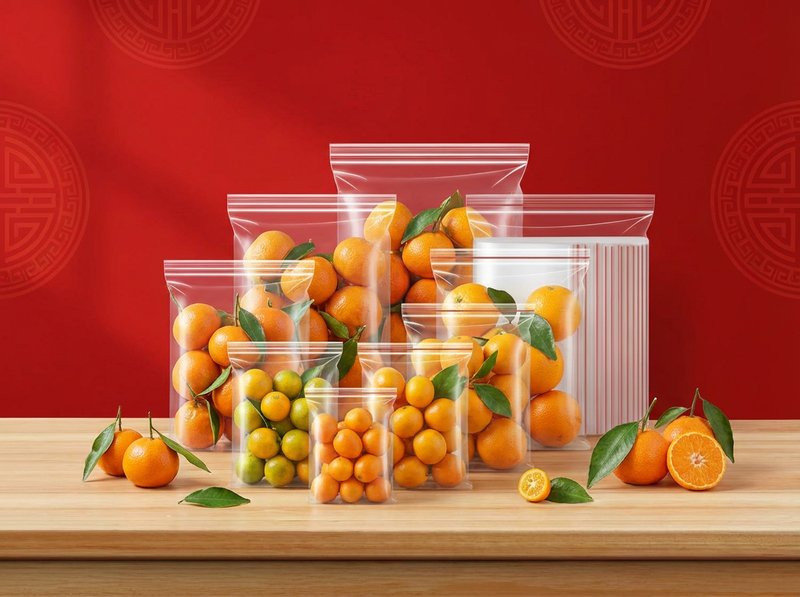
PE (Polyethylene) Bags: Key Benefits
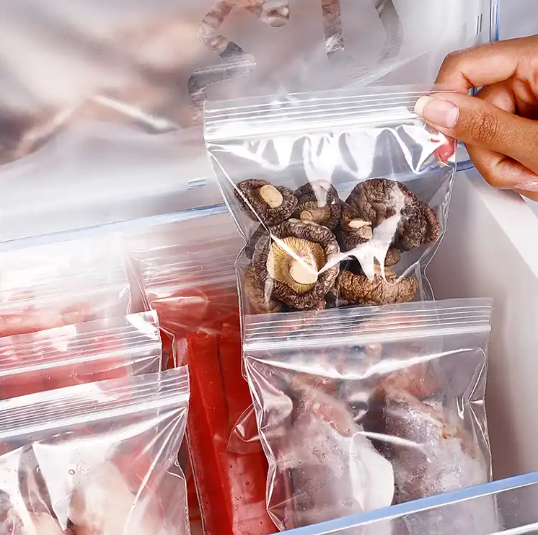
PE resealable bags are the most common choice for food storage and general packaging. They offer excellent flexibility, transparency, and moisture resistance. LDPE (Low-Density Polyethylene) bags are softer and more pliable, making them ideal for self-sealing bags used in food packaging, while HDPE provides greater rigidity for industrial applications.
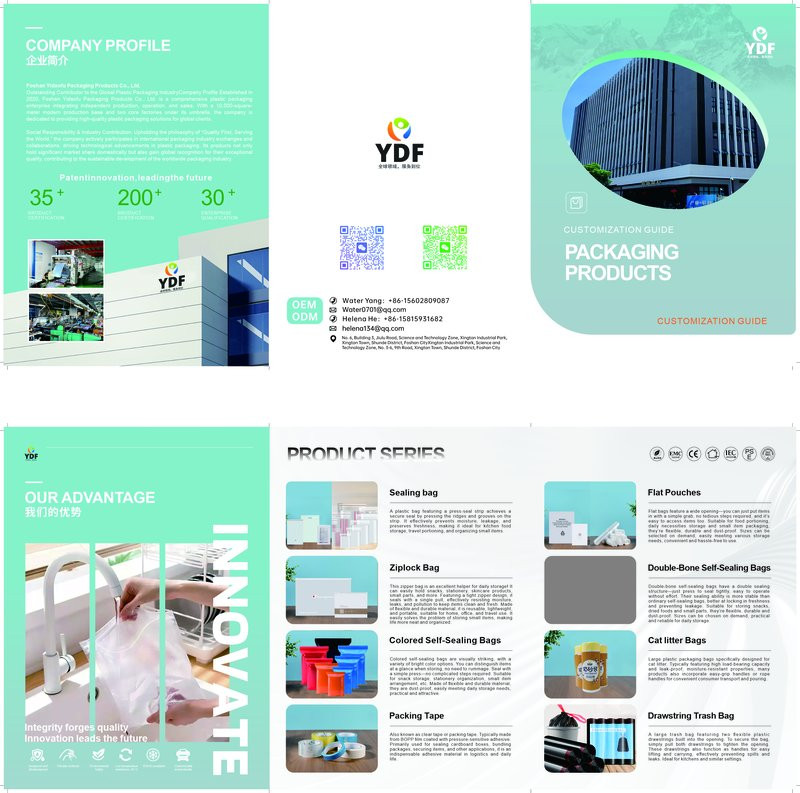
PP (Polypropylene) Bags: When to Choose
PP bags provide higher heat resistance (up to 120°C) and superior clarity compared to PE. They are preferred for retail packaging where visual appeal matters, and for products requiring sterilization. PP bags also offer better chemical resistance, making them suitable for pharmaceutical and laboratory applications.
Cost and Sustainability Comparison
- Cost: PE bags are generally 10-15% cheaper than PP bags
- Recyclability: Both are recyclable, but PE has a more established recycling infrastructure
- Carbon footprint: PE production emits fewer greenhouse gases
- Durability: PP offers better puncture resistance for sharp-edged products
Recommendation
For food storage and everyday packaging needs, PE self-sealing bags provide the best balance of cost, performance, and sustainability. For retail display packaging requiring crystal clarity and heat resistance, PP bags are the superior choice. Consider your specific application requirements when making a selection.
-
Sep 04,2023
What is a PE bag?
view more -
Sep 22,2025
The difference between integrating packaging materials into daily life and using non edible packaging bags to pack food
view more -

Aug 21,2026
Common Self-Sealing Bag Defects and How Premium Manufacturers Prevent Them: A 2026 Quality Engineering Guide
view more
-
Contact Us
 Learn moreTel: +86-15602809087 Water Yang
+86-15815931682 Helena He
-
Product Category
-
COMPANY
-
LET'S STAY IN TOUCH


