


PE Blown Film Extrusion Explained: How Resin, Blending, and Process Control Shape Self-Sealing Bag Quality
Back to previous pageMost buyers compare self-sealing bags by size, thickness, and price, yet the biggest quality differences are decided much earlier — on the blown film extrusion line. Understanding what happens between PE resin pellets and a finished ziplock bag helps importers, distributors, and brand owners read a quotation more accurately and avoid costly surprises after the first shipment.
Step One: Resin Selection and Blending
Self-sealing bags are typically produced from LDPE, LLDPE, or a blend of the two. LDPE delivers the clarity, softness, and easy-tear behavior consumers expect from a food storage bag, while LLDPE contributes tensile strength and puncture resistance for heavier industrial contents. A practical factory adjusts the blend ratio according to the application: a retail pantry bag emphasizes gloss and feel, whereas a hardware bag prioritizes drop resistance. Additives such as slip agents and anti-block agents are dosed in small percentages so film layers do not stick together during winding or in the finished stack.
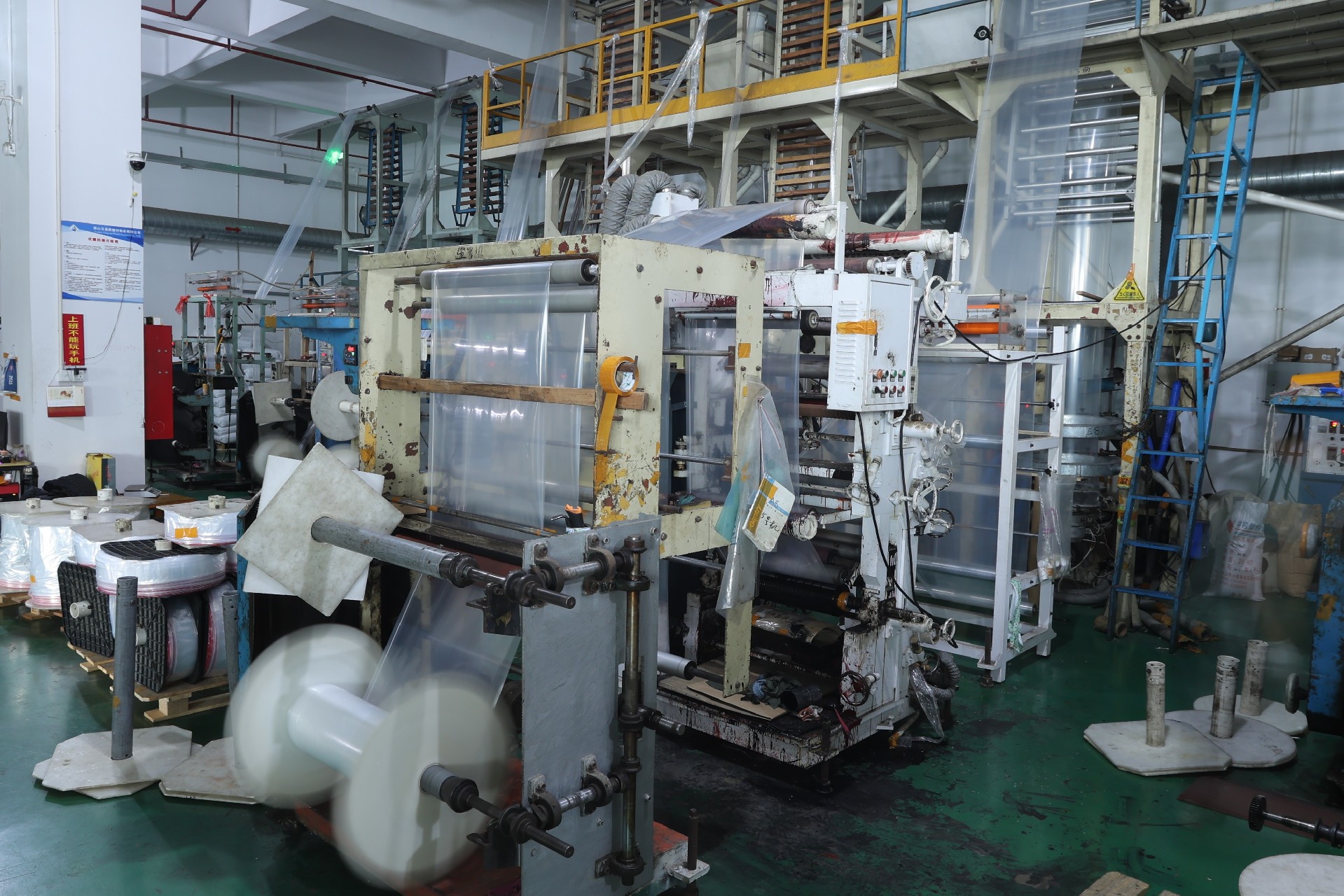
What Happens on the Extrusion Tower
In blown film extrusion, melted resin is pushed through a circular die and inflated into a bubble. Three process variables matter most. First, melt temperature: too hot and the film turns hazy with gel spots; too cold and the bubble becomes unstable. Second, blow-up ratio, which balances film clarity against orientation strength. Third, cooling air: consistent cooling produces a film bubble with even gauge, and gauge uniformity directly controls whether every bag in an order has the same thickness its label promises.
From Film Roll to Ziplock Bag
After the bubble collapses, the film is slit, corona-treated for printing, and fed to bag-making machines that extrude the zipper profile and seal it between two film layers. Poor gauge control upstream shows up here as weak zipper adhesion or wrinkles along the closure line — the two most common complaints in after-sales feedback. That is why we inspect film rolls before bag conversion rather than discovering problems on finished cartons.
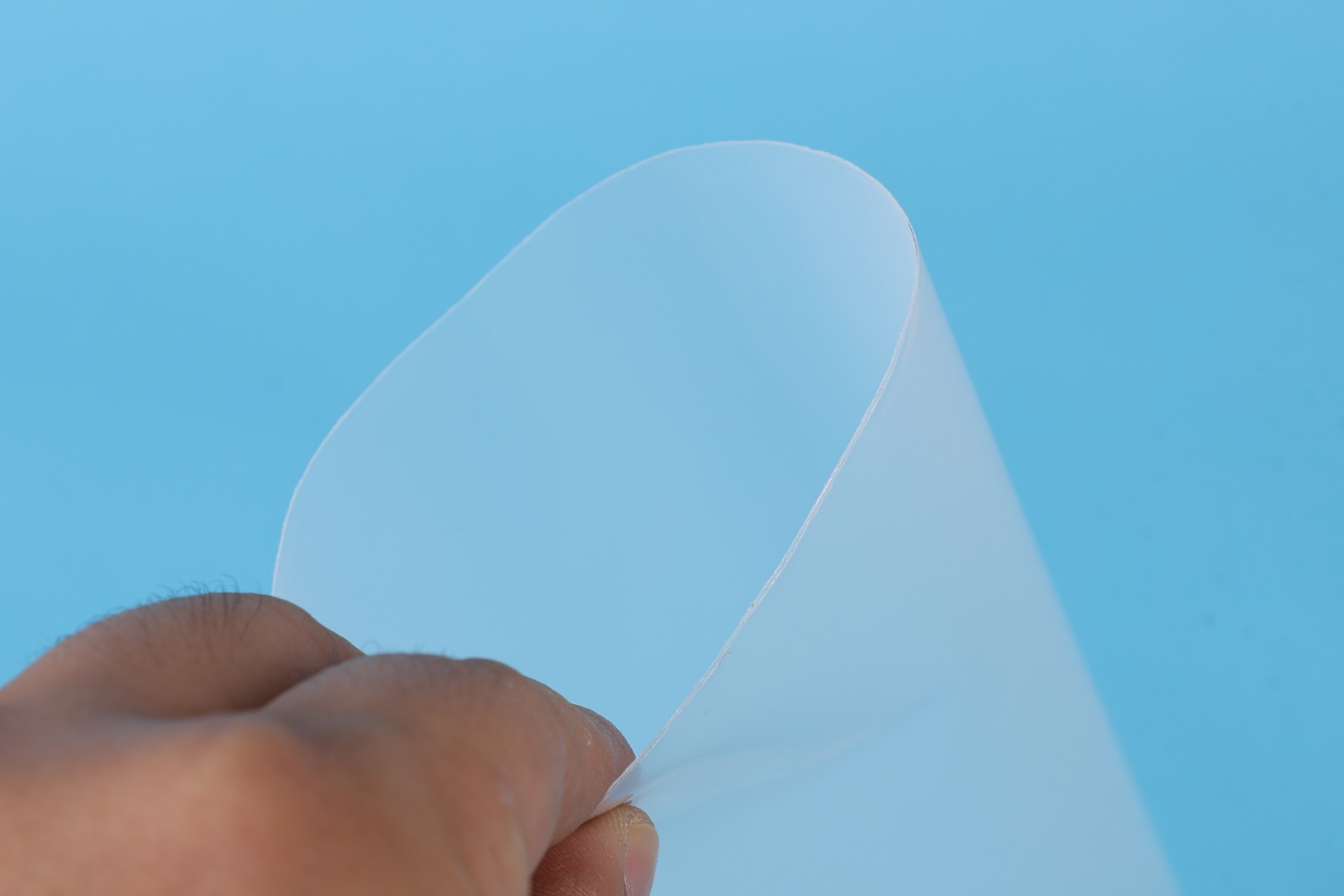
What Buyers Should Ask a Supplier
Instead of only negotiating price per ton, buyers get better outcomes with three practical questions: Which resin grades do you use for this application? How do you control film gauge across the web? Can you provide retention samples from the same film batch for reordering? A mid-sized factory with its own extrusion lines can answer all three quickly — and that responsiveness, from resin selection to sample turnaround, is usually what separates a dependable packaging partner from a trading office.


-
Contact Us
 Learn moreTel: +86-15602809087 Water Yang
-
Product Category
-
COMPANY
-
LET'S STAY IN TOUCH


