

Extended Producer Responsibility (EPR) for Plastic Packaging: A 2026 Compliance Roadmap for Flexible Packaging Manufacturers
Back to previous pageWhat Is Extended Producer Responsibility (EPR) for Plastic Packaging?
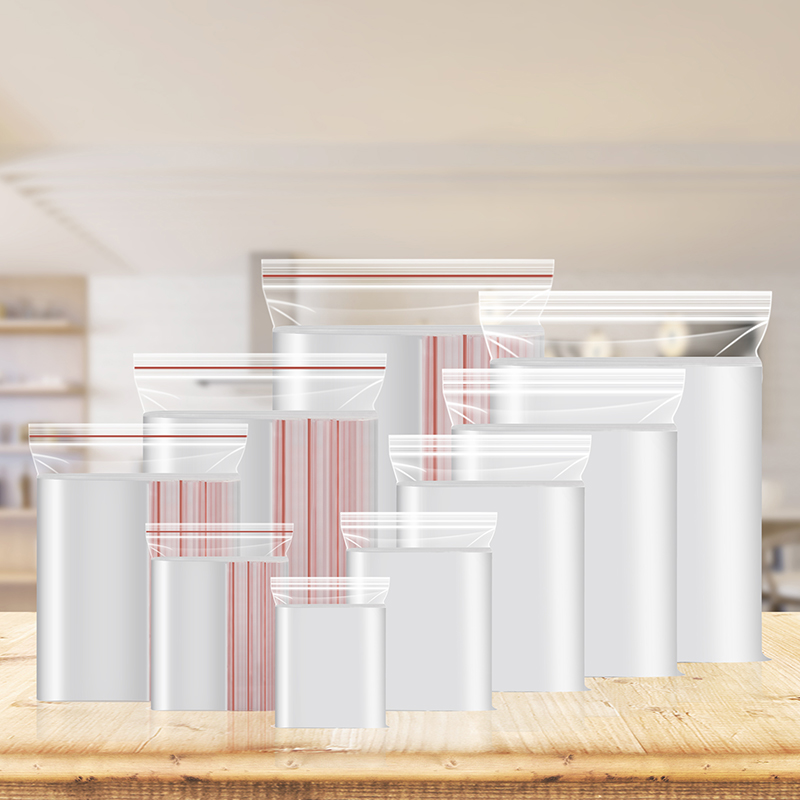
Extended Producer Responsibility (EPR) is a regulatory framework that shifts the financial and operational burden of post-consumer waste management from municipalities to producers. For flexible packaging manufacturers—including producers of ziplock bags, self-sealing pouches, and flat PE bags—EPR means paying fees based on the volume and recyclability of packaging placed on the market. As of 2026, over 40 countries have implemented or are phasing in EPR schemes for plastic packaging, fundamentally reshaping compliance obligations across global supply chains.
Key EPR Regulations Affecting Plastic Packaging in 2026
European Union: Packaging and Packaging Waste Regulation (PPWR)
The EU's PPWR, adopted in 2025 and entering enforcement phases through 2026-2028, mandates that all packaging placed on the EU market must be recyclable by 2030. Flexible plastic packaging faces specific recycled content targets: 10% post-consumer recycled (PCR) content in contact-sensitive plastic packaging by 2030, scaling to 50% by 2040. Manufacturers exporting to the EU must register with each member state's EPR scheme, report packaging volumes quarterly, and pay modulated fees that reward recyclability and penalize hard-to-recycle formats.
United Kingdom: Plastic Packaging Tax and pEPR
The UK's Plastic Packaging Tax (£210.82 per tonne as of April 2026) applies to packaging with less than 30% recycled content. The parallel pEPR scheme requires producers to cover the full net cost of managing packaging waste, with modulated fees based on recyclability classifications. Flexible films and pouches are classified under specific categories with distinct fee rates, making compliance data reporting a critical operational requirement for exporters.

Asia-Pacific: Emerging EPR Frameworks
China expanded its plastic pollution control measures in 2025, introducing producer responsibility obligations for flexible packaging. India's EPR guidelines under the Plastic Waste Management Rules now require brand owners and importers to register on a centralized portal and meet annual recycling targets. Australia's mandatory packaging design standards, effective 2026, link EPR fees directly to the Australasian Recycling Label (ARL) assessment of each packaging format.
How Flexible Packaging Manufacturers Can Prepare
First, conduct a materiality assessment of your product portfolio: classify each SKU by polymer type, recyclability status, and recycled content percentage. Second, register with the relevant EPR schemes in each target market—the EU alone requires registration in 27 member states if no single authorized representative is appointed. Third, invest in design-for-recycling principles: shift from multilayer laminates to monomaterial structures where technically feasible. Fourth, implement digital reporting systems to track packaging volumes and composition data, as most schemes require quarterly or annual submissions with third-party audit trails.
Bottom Line: Compliance as Competitive Advantage
Far from being merely a cost burden, EPR compliance is becoming a market differentiator. Buyers in Europe and North America increasingly require suppliers to demonstrate EPR registration and recycled content credentials before issuing purchase orders. For flexible packaging manufacturers, proactive EPR readiness—coupled with verifiable sustainability data—transforms a regulatory requirement into a compelling value proposition for export-oriented business development in 2026 and beyond.
-

Aug 21,2026
Packing Tape Selection Guide: Acrylic vs Hot-Melt vs Natural Rubber Adhesives for Carton Sealing and E-commerce Fulfillment
view more -
Aug 03,2026
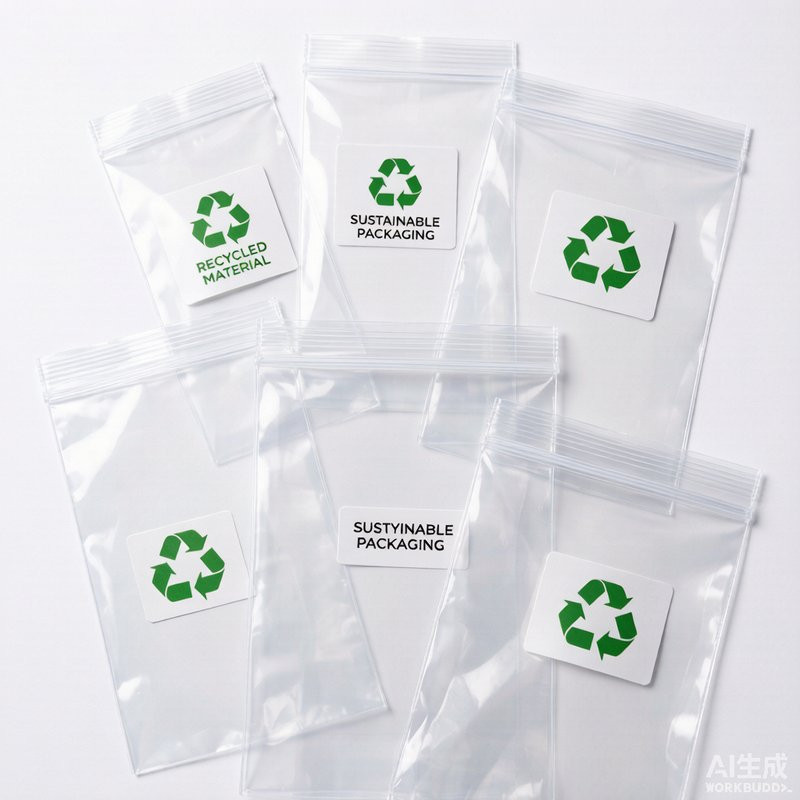
Post-Consumer Recycled (PCR) Content in Plastic Packaging: What Manufacturers and Buyers Need to Know in 2026
view more -
Feb 09,2025
What is plastic bag film?
view more
-
Contact Us
 Learn moreTel: +86-15602809087 Water Yang
-
Product Category
-
COMPANY
-
LET'S STAY IN TOUCH


