


E-Commerce Flexible Packaging Market 2026: How Online Retail Growth Drives Self-Sealing Bag and Protective Mailer Demand
Back to previous pageThe E-Commerce Boom and Flexible Packaging Demand
The global e-commerce packaging market is projected to surpass USD 75 billion by 2030, growing at a compound annual growth rate (CAGR) of over 7% from 2024 to 2030. As online retail continues to expand across emerging and mature markets alike, flexible plastic packaging — particularly self-sealing bags, ziplock bags, and flat pouches — has become indispensable for fulfillment operations. These lightweight, cost-effective formats protect products during transit while minimizing shipping weight and material waste.

Self-Sealing Bags: The Workhorse of E-Commerce Fulfillment
Self-sealing bags dominate e-commerce packaging for several reasons. Their resealable zipper closure eliminates the need for heat-sealing equipment, reducing labor costs in high-volume warehouses. Transparent LDPE and HDPE bags allow product visibility for quality checks without opening, while offering moisture and dust protection for apparel, electronics accessories, stationery, and small hardware. For cross-border sellers, self-sealing bags also serve as inner protective layers within corrugated shipping cartons, preventing scratches and contamination during long-distance transit.
Sustainability Pressures Reshaping the Market
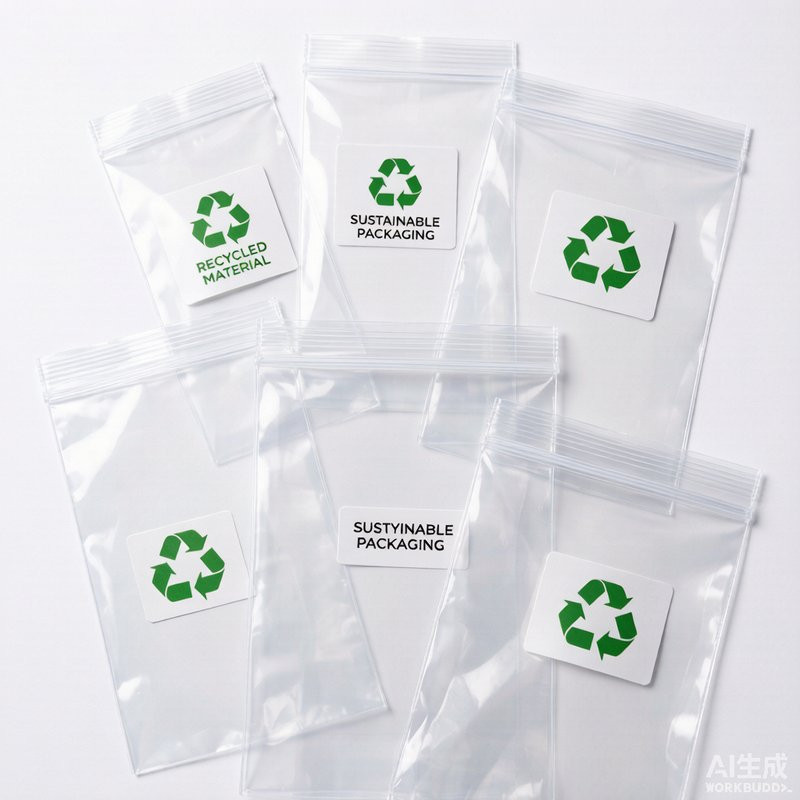
Consumer expectations and regulatory mandates are accelerating the shift toward sustainable e-commerce packaging. The European Union's Packaging and Packaging Waste Regulation (PPWR), effective from 2025, sets binding recyclability criteria and recycled content minimums that directly impact flexible packaging suppliers. In response, manufacturers are investing in monomaterial PE structures, post-consumer recycled (PCR) resins, and water-based flexographic printing to meet brand-owner sustainability commitments. Major e-commerce platforms now require suppliers to disclose packaging recyclability data, making eco-compliance a competitive differentiator rather than a cost center.
Regional Demand Patterns and Sourcing Strategy
Asia-Pacific accounts for the largest share of e-commerce packaging consumption, driven by China, India, and Southeast Asia's rapidly growing online retail sectors. North America and Europe follow, with stronger emphasis on recycled content and right-sized packaging to reduce dimensional shipping costs. For importers and brand owners, sourcing self-sealing bags from established manufacturers with ISO 9001 quality systems, food-grade certifications, and PCR material capabilities ensures both regulatory compliance and supply chain resilience. As e-commerce volumes grow, partners who can deliver consistent quality, competitive pricing, and sustainable material options will capture increasing market share.
-

Aug 17,2026
Monomaterial Flexible Packaging Design: The Path to Truly Recyclable Plastic Bags
view more -

Aug 21,2026
Packing Tape Selection Guide: Acrylic vs Hot-Melt vs Natural Rubber Adhesives for Carton Sealing and E-commerce Fulfillment
view more -
Aug 03,2026
Post-Consumer Recycled (PCR) Content in Plastic Packaging: What Manufacturers and Buyers Need to Know in 2026
view more
-
Contact Us
 Learn moreTel: +86-15602809087 Water Yang
-
Product Category
-
COMPANY
-
LET'S STAY IN TOUCH


