


Double-Track Zipper Bags vs Standard Ziplock Bags: Closure Design and Reseal Performance Explained
Back to previous pageAmong resealable plastic packaging, the closure is where most quality complaints begin. Buyers comparing quotations for ziplock bags often focus on film thickness and size while treating the zipper as a given. In practice, the difference between a standard press-to-close closure and a double-track closure changes how the bag performs after dozens of open-and-close cycles - and that difference matters for product categories where customers reopen the pack again and again.
What a Double-Track Closure Actually Is
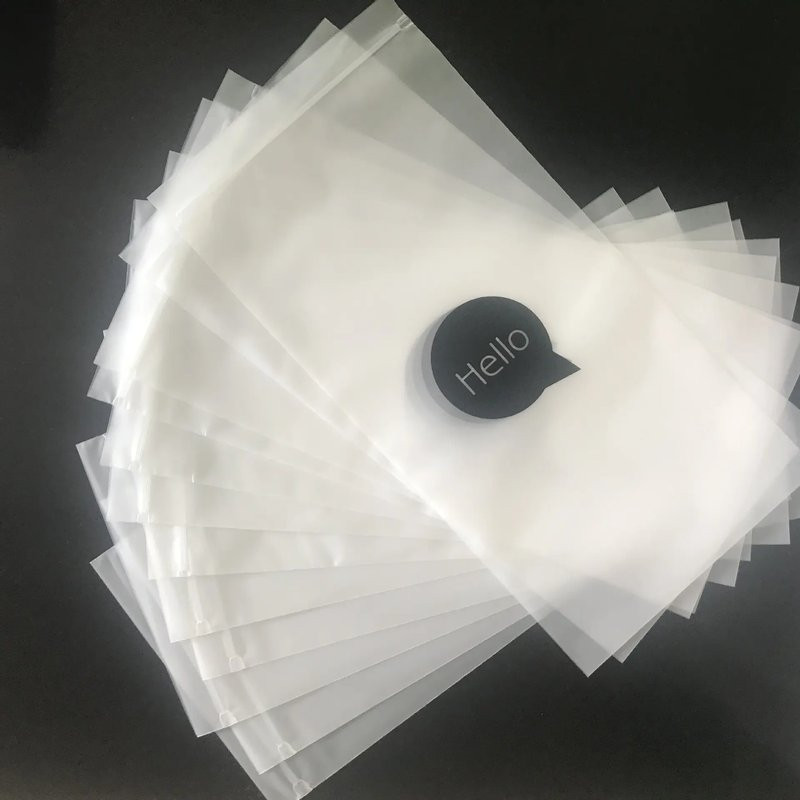
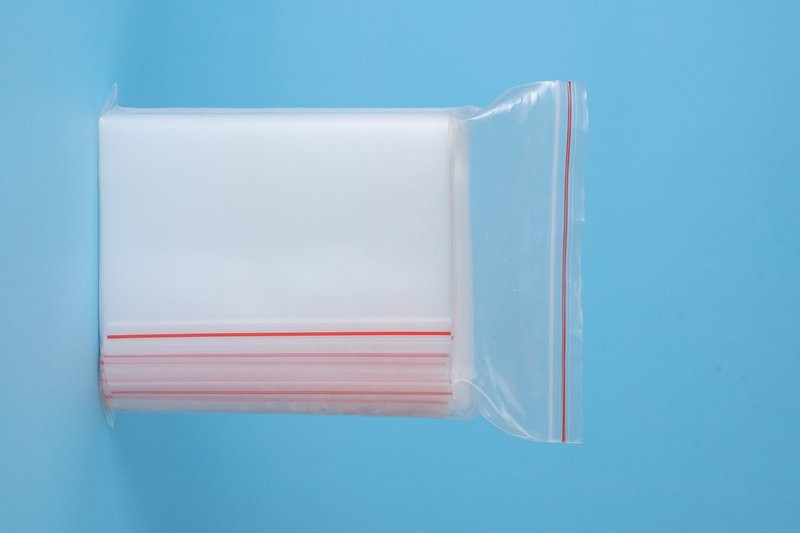
A standard ziplock bag uses one pair of interlocking rails: a male profile on one side of the closure presses into a female channel on the other. A double-track zipper bag - often called a double-bone bag in Asian supply chains - adds a second rail pair below the first. The two tracks are extruded as one continuous profile and welded into the bag during converting. The result is a wider, reinforced closure with two independent locking paths, so even if one track is not fully engaged by the user, the second one still holds the seal.
Reseal Performance in Daily Use
The practical benefit shows up in repeated-use testing. A single-track closure can lose sealing pressure after rough handling or repeated opening, especially when the film is thin or contents press against the rails. A double-track design maintains engagement across a broader width and tolerates powder, granular, or oily contents that can interfere with a single track. For heavier fills, the second rail also distributes load across the closure, reducing the risk of the bag bursting open when dropped or squeezed.
Where Each Closure Fits Best
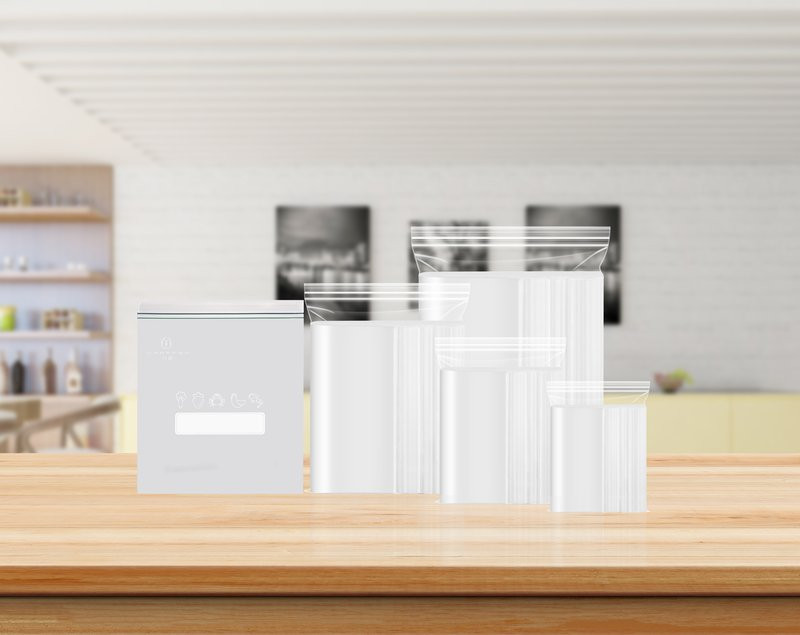
Standard press-to-close bags remain the sensible default for one-time or occasional resealing: hardware parts, documents, jewellery, and small consumer goods where cost per bag matters most. Double-track zipper bags justify their modest premium where the consumer interacts with the closure daily - frozen food that returns to the freezer, pet snacks, baking ingredients, seeds, and workshop components that are stored and retrieved repeatedly. Retail-facing packs also gain from the flatter, more robust closure, which prints cleanly and survives shelf handling better.
How Small Buyers Should Decide
For small and mid-sized buyers, the decision is easier than it looks. Estimate how many times an average customer will reopen the pack over its life. Below roughly five reseals, the standard closure is usually enough; above that, or when product weight approaches a kilogram, the double-track option repays the small cost difference in fewer complaints and better reviews. A flexible manufacturer can produce both formats on the same film base with minimal tooling differences, so it is worth asking a supplier to quote both and test samples side by side before committing to a full production run.
-
Oct 07,2026
Double-Track Zipper Bags vs Standard Ziplock Bags: Closure Design and Reseal Performance Explained
view more -

Aug 21,2026
Custom Printing Techniques for Self-Sealing Bags: Rotogravure vs Flexographic vs Digital Printing for Brand Packaging
view more -
Jul 31,2026
Global Flexible Packaging Market 2026: Growth Drivers, Sustainability Shifts, and Regional Demand
view more
-
Contact Us
 Learn moreTel: +86-15602809087 Water Yang
+86-15815931682 Helena He
-
Product Category
-
COMPANY
-
LET'S STAY IN TOUCH


