


Colored Ziplock Bags: How Colour Coding Improves Parts Storage, Retail Kitting, and Brand Recognition
Back to previous pageColour is one of the cheapest specifications a buyer can change on a self-sealing bag, yet it is also one of the most overlooked. A transparent ziplock bag shows the contents; a coloured ziplock bag tells the user what the contents are before the bag is even opened. For workshops, online sellers, and small brands, that single difference often decides whether coloured resealable bags are worth the small premium over clear stock bags.
How Colour Gets Into the Film
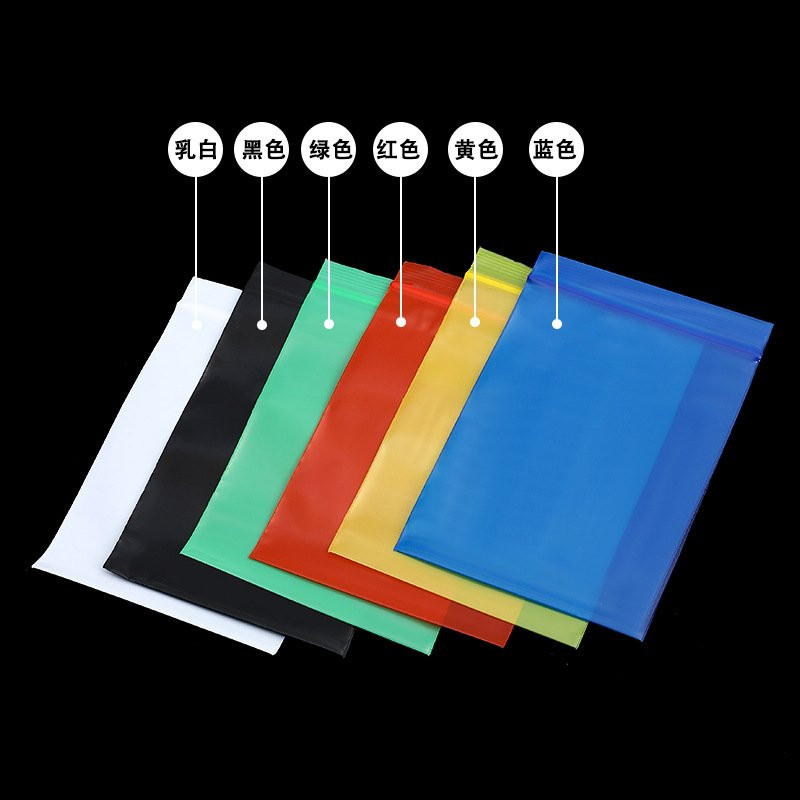
Coloured self-sealing bags are not printed. Colour masterbatch - concentrated pigment pellets - is blended with LDPE resin before the film is blown, so the pigment disperses through the entire wall of the bag. This has two practical consequences for buyers. First, the colour cannot scratch or rub off the way surface printing can, because it is part of the material itself. Second, opacity can be tuned: a low dosage keeps the bag translucent enough to see the contents, while a higher dosage produces an opaque bag that hides items such as jewellery, phone accessories, or gift sets until the customer opens them.
Colour Coding in Daily Operations
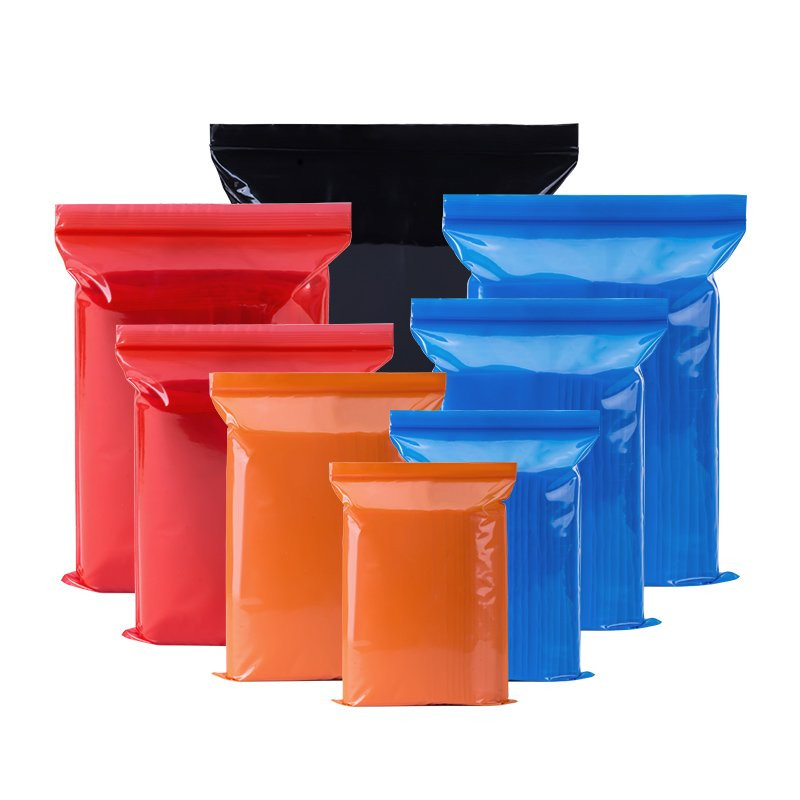
The most common industrial use of coloured ziplock bags is parts identification. Hardware kits, fastener sets, and electronic accessories are sorted by size or model into different colours, so an assembler or packer can pick the right bag at a glance without reading a label. E-commerce sellers use the same logic in the packing room: one colour per SKU or bundle reduces mis-shipments far more effectively than handwritten marks on clear film.
Retail and Presentation Uses
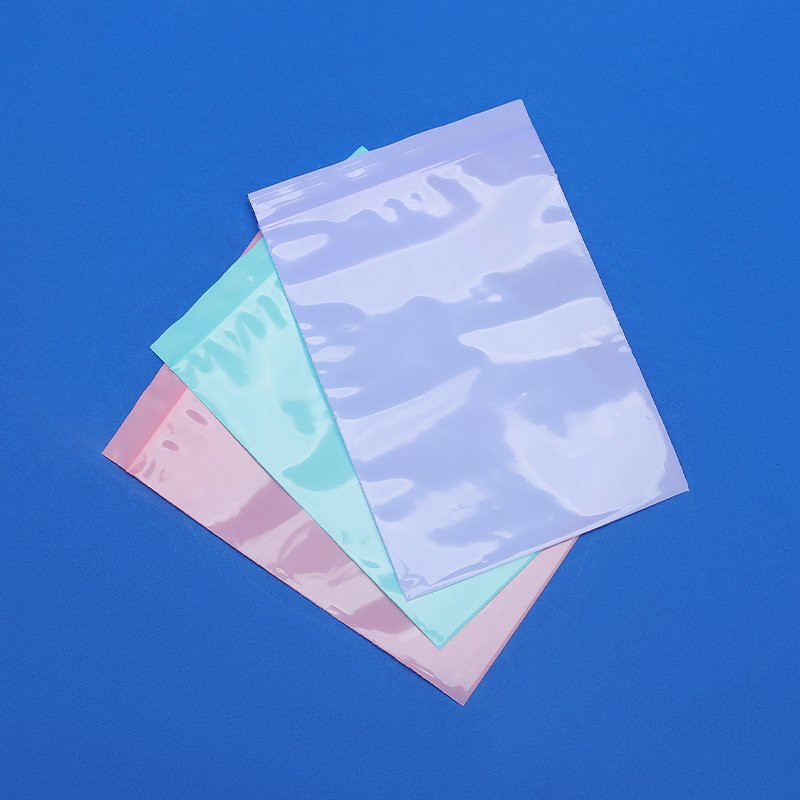
In retail, colour does the branding work that a small order quantity cannot justify printing for. A pastel translucent bag around a hair accessory or a bold red bag around a promotional item reads as a deliberate design choice on the shelf or in a dispatch box. For seasonal promotions, coloured bags let a small brand refresh its look without investing in new printed cartons.
What to Confirm Before Ordering
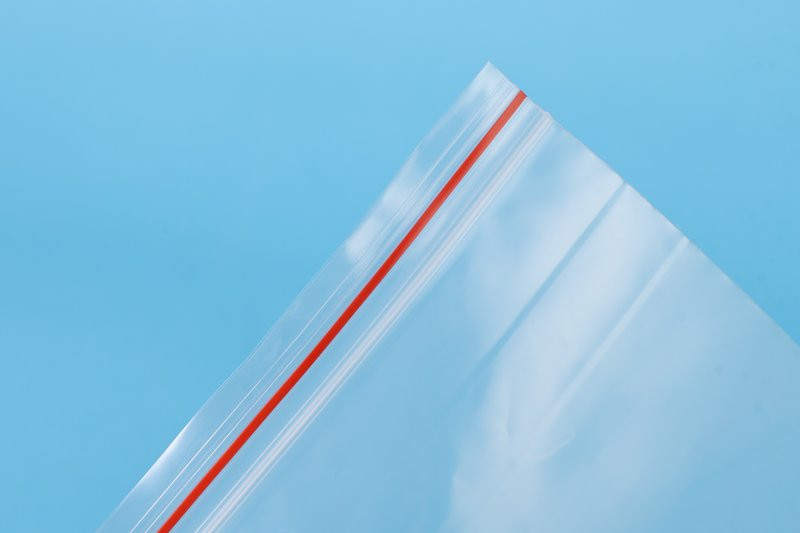
Three checks keep a coloured bag order trouble-free. Confirm colour consistency across production batches by approving a retained sample rather than a screen image, since pigment batches can shift slightly between runs. Confirm the opacity level you actually need - fully opaque bags protect privacy but hide a product a customer may want to preview. And confirm the closure quality: on coloured film, a weak press-to-close rail is harder to spot during inspection than on clear film, so a supplier who runs proper sealing tests on every coloured batch is worth the conversation. Standard colours such as red, blue, yellow, green, black, and white are usually available from stock tooling, while custom shades need a minimum order and a short masterbatch development cycle.
For small and medium buyers, the practical advantage of working directly with a bag manufacturer is flexibility: mixed sizes and colours in one order, sample confirmation before mass production, and quick turnaround on repeat colours. Colour is a low-cost upgrade - but only when it is specified with the same care as thickness and size.
-
Oct 12,2026
Colored Ziplock Bags: How Colour Coding Improves Parts Storage, Retail Kitting, and Brand Recognition
view more -

Aug 24,2026
How to Choose a Reliable PE Ziplock Bag Supplier for Small and Medium Businesses
view more -

Aug 19,2026
Cat Litter Bag Packaging: Multi-Layer Film Structures, Zipper Integration, and Pet Industry Requirements
view more
-
Contact Us
 Learn moreTel: +86-15602809087 Water Yang
+86-15815931682 Helena He
-
Product Category
-
COMPANY
-
LET'S STAY IN TOUCH


