


Ziplock Bags for Frozen Food Storage: Choosing Film Thickness, Seal Design, and Zipper Track for Freezer Performance
Back to previous pageFreezing is the gentlest preservation method available to a household or a food processor — no salt, no heat, no additives — yet it is also one of the toughest environments a plastic bag will ever face. At -18°C, LDPE film becomes stiffer and less forgiving, condensation forms every time the door opens, and sharp foods such as frozen berries or bone-in cuts press against the film for months. A ziplock bag that performs perfectly at room temperature can crack, leak, or let in enough air to ruin the food inside. This article looks at what actually matters when ziplock bags are specified for frozen food storage.
Why Freezer Burn Starts With the Bag, Not the Freezer
Freezer burn is dehydration. Water molecules slowly migrate out of the food surface and escape through whatever path the packaging offers — a film that is too thin, a zipper that is not fully closed, or a seal with a micro-channel. The result is dry, leathery patches and off-flavours. For a bag to slow this process down, two properties matter most: low moisture vapour transmission, which good LDPE provides naturally, and a closure that stays sealed through hundreds of hours of freeze-thaw vibration in a chest freezer.
Film Thickness: The 60–80 Micron Range
For freezer use, we recommend films in the 60–80 micron (roughly 1.5–2 mil) range. Below that, standard LDPE loses flexibility at freezer temperatures and is more likely to split at a fold or at the corner welds when handled straight from the freezer. Heavier film also resists puncture from ice crystals and rigid food edges. Bags above 100 microns add cost without meaningful benefit for most household portions, though they remain sensible for bulk meat or repeated reuse.
The zipper track deserves its own inspection
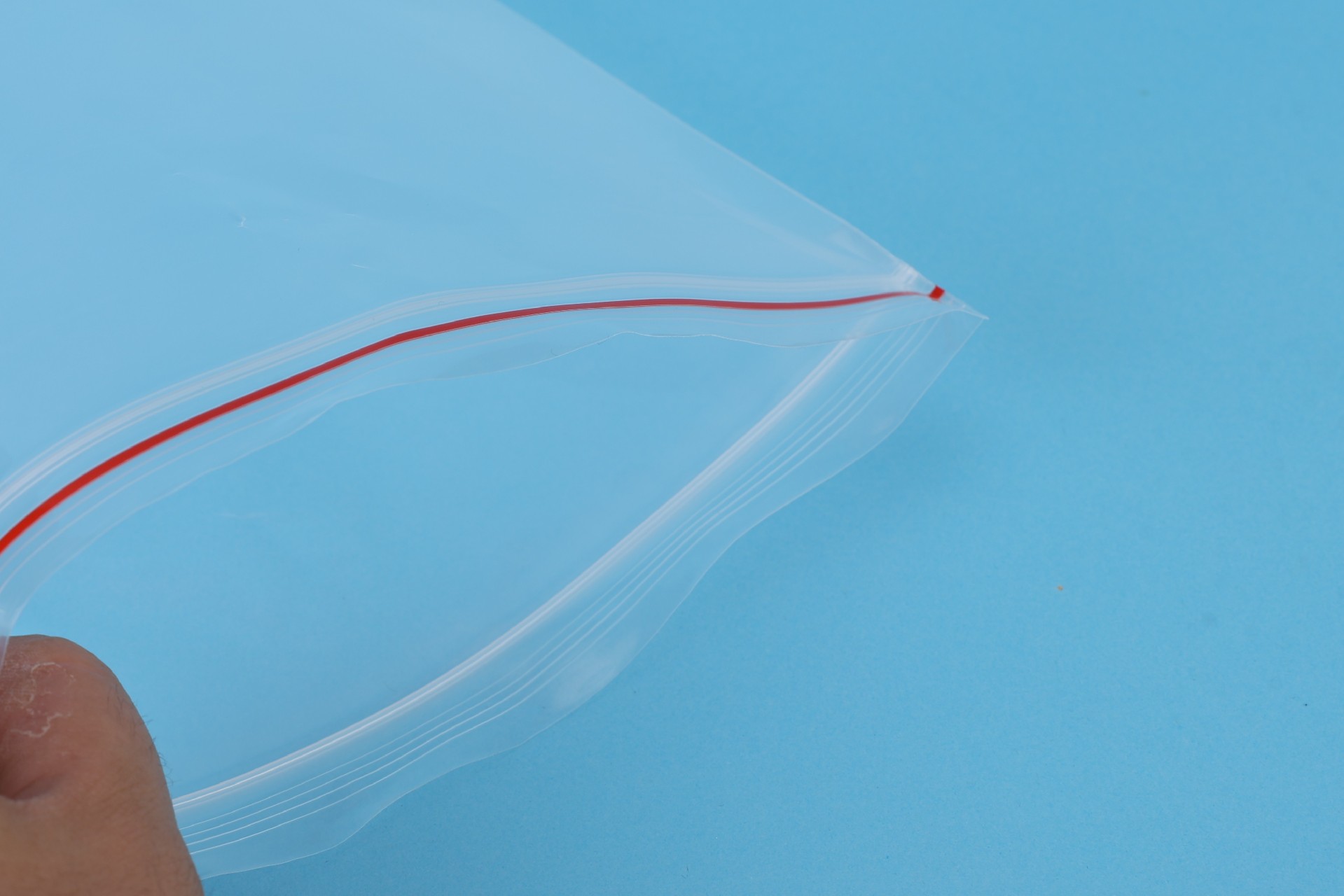
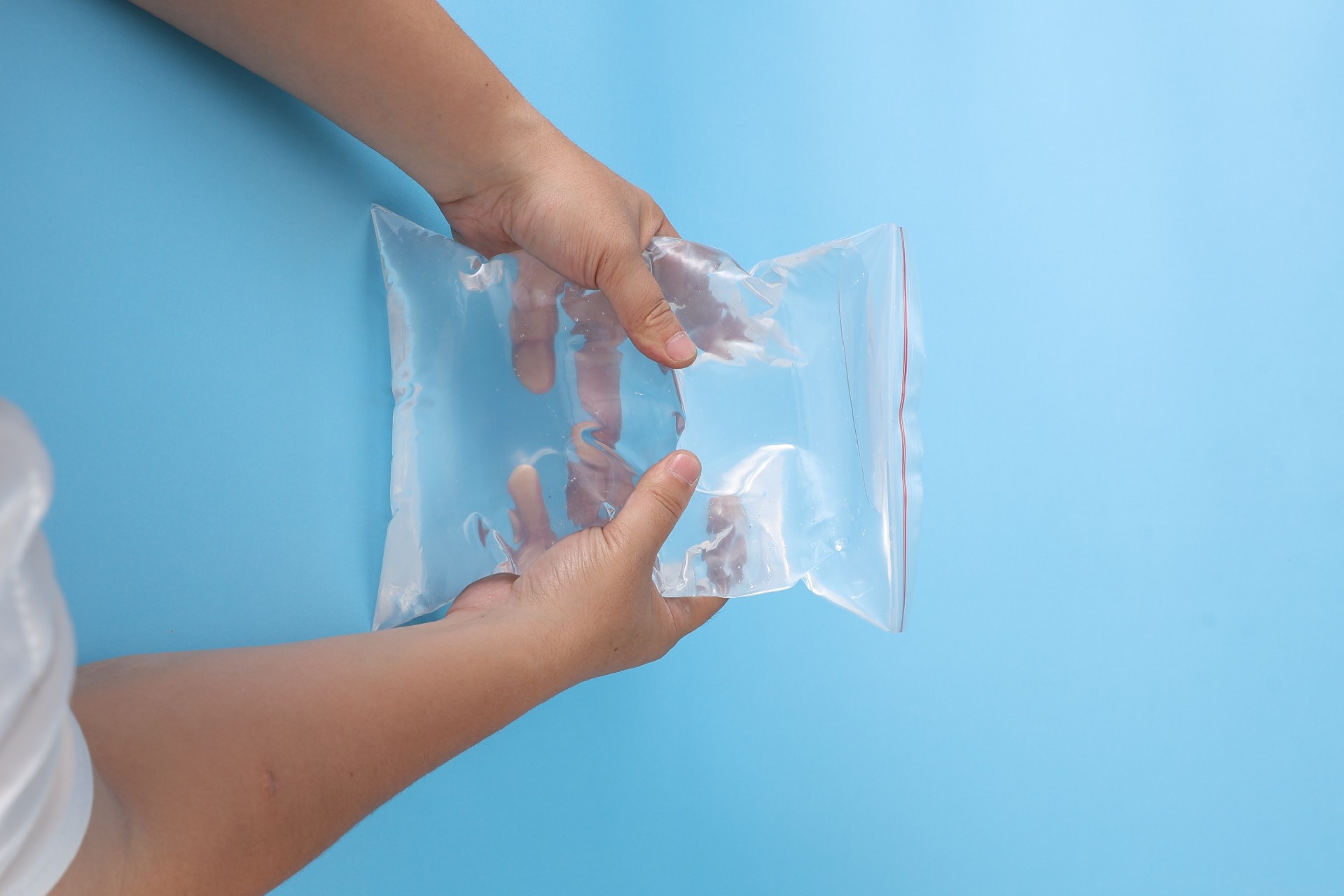
A well-made closure has a clearly defined male rail and female channel, a consistent weld line on both sides, and an end stop that prevents the slider or the rail from running off. Press the closed bag between two fingers and slide along the track: any point that opens under light pressure will open in the freezer too, and that leak becomes the starting point of freezer burn. This is exactly why we test every new closure lot by filling bags with water and standing them under load overnight before release.
Practical Buying Checklist
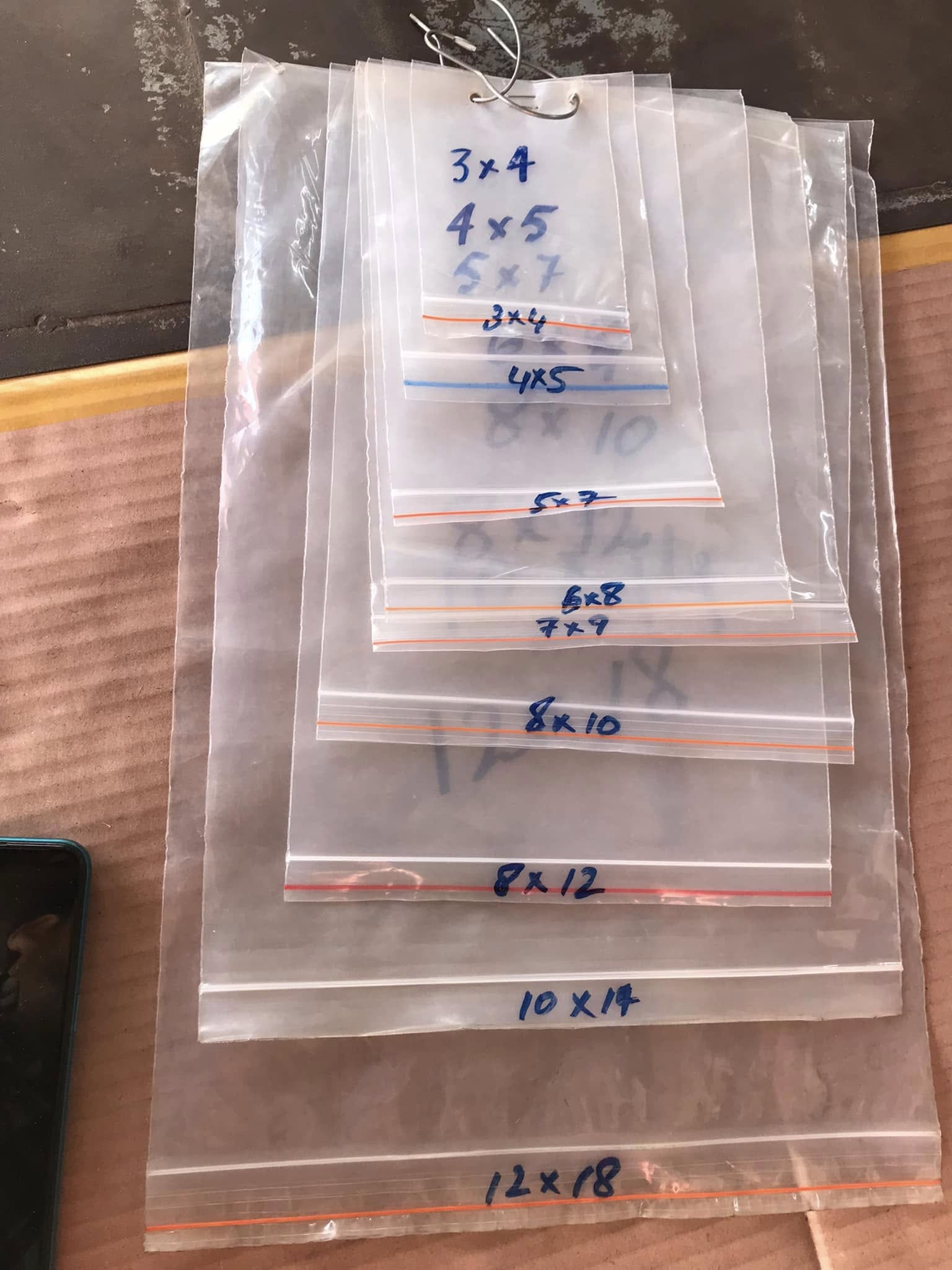
For distributors and food brands sourcing frozen-food ziplock bags, the short list is: food-grade virgin LDPE with documented resin origin; 60–80 micron film for general portions, heavier for bone-in products; a two-rail zipper rather than a simple press-seal lip; square-cut corners with strong side welds; and optional write-on panels so end users can date each bag. Small factories often assume freezer bags require premium engineering — in practice, correct thickness and a properly welded zipper track deliver most of the performance at a modest cost difference, which is why we keep both options on the same production line with quick changeovers for mixed-volume orders.
Whether you pack frozen vegetables, portioned meat, or baked goods for the freezer aisle, choosing the bag with the freezer environment in mind — not just the shelf — is the difference between repeat orders and complaints. Our team can match thickness, size and closure type to your product line within one sampling cycle.
-

Aug 21,2026
Custom Printing Techniques for Self-Sealing Bags: Rotogravure vs Flexographic vs Digital Printing for Brand Packaging
view more -
Sep 04,2023
What is a PE bag?
view more -
Oct 21,2026
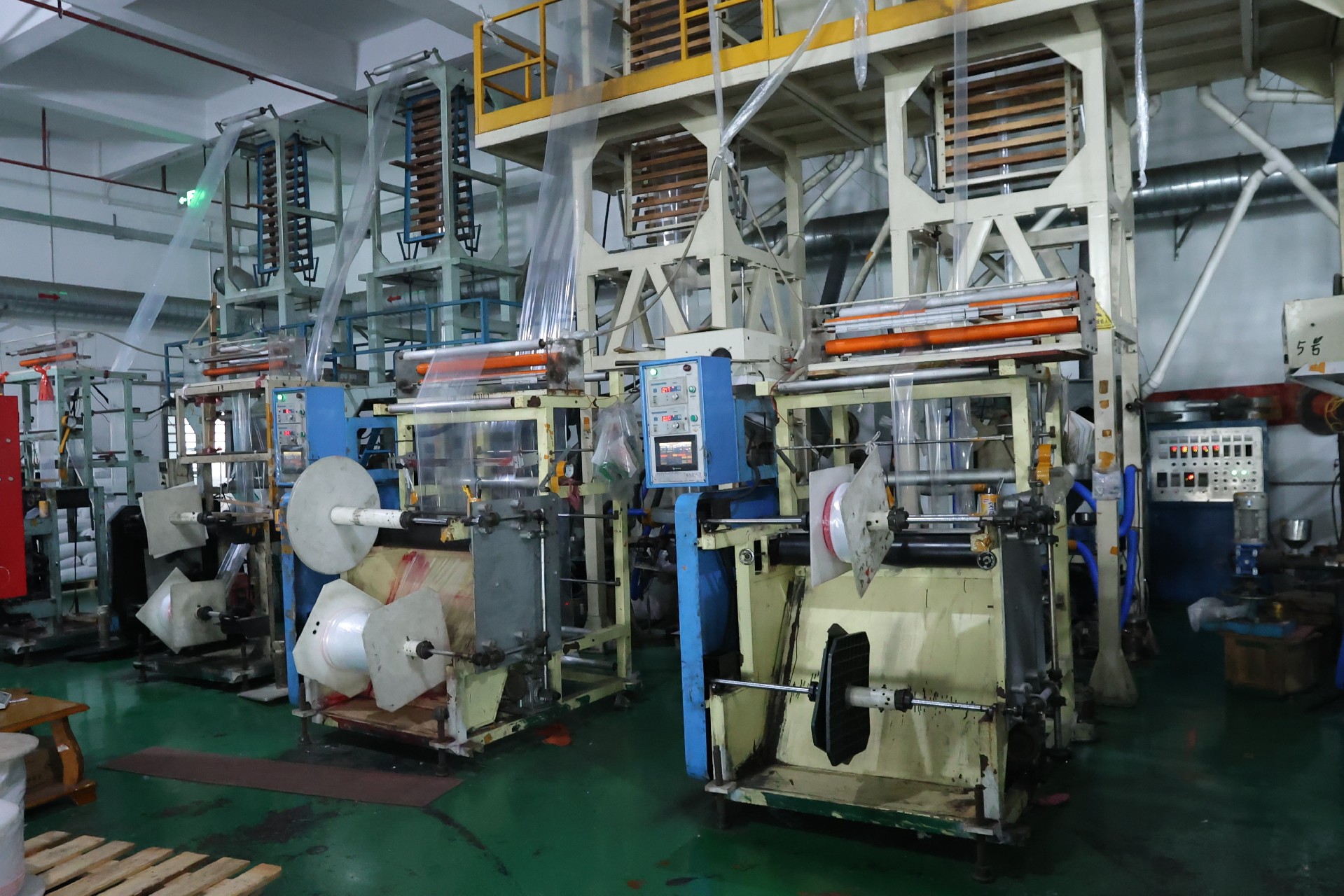
PE Blown Film Extrusion Explained: How Resin, Blending, and Process Control Shape Self-Sealing Bag Quality
view more
-
Contact Us
 Learn moreTel: +86-15602809087 Water Yang
-
Product Category
-
COMPANY
-
LET'S STAY IN TOUCH


