

EU PPWR 2026: What Plastic Bag and Flexible Packaging Exporters Must Know Before 12 August
Back to previous pageThe Biggest Packaging Rule Change in 30 Years
On 12 August 2026, the European Union’s Packaging and Packaging Waste Regulation (PPWR) 2025/40 will generally apply across all 27 member states. It replaces the old Packaging and Packaging Waste Directive (94/62/EC) and turns voluntary sustainability goals into legally binding requirements. For manufacturers and exporters of plastic bags, self-sealing bags, ziplock pouches, and flexible LDPE/PP packaging, this is the most important regulatory shift in three decades.
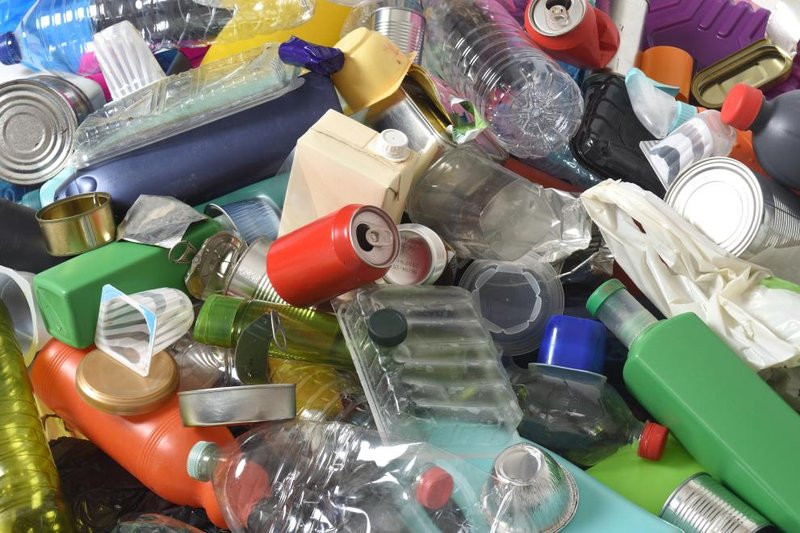
Image: European Commission – packaging waste accounts for 40% of plastics used in the EU.
Who Is Covered?
PPWR applies to all packaging placed on the EU market, regardless of material or sales channel. That means any Chinese, Indian, Southeast Asian, or other non-EU producer selling plastic bags, pouches, films, or wrapped goods into the EU must comply. The obligations fall on manufacturers, importers, distributors, and online sellers alike.
- Plastic self-sealing bags used for food, hardware, or e-commerce
- LDPE/LLDPE flat pouches and ziplock bags
- Flexible multi-layer or mono-material films
- Packaging with labels, adhesives, or metal components
Three Compliance Pillars
1. Substances of Concern
From 12 August 2026, the total concentration of lead, cadmium, mercury, and hexavalent chromium in packaging must not exceed 100 mg/kg. For food-contact packaging, specific PFAS thresholds also take effect. Exporters must request material declarations and third-party test reports from resin and masterbatch suppliers to prove compliance.
2. Recyclability by Design
By 2030, all packaging on the EU market must be recyclable in an economically viable way. PPWR introduces A/B/C/D recyclability grades, and packaging with a design-for-recycling score below 70% may be classified as technically non-recyclable. For flexible packaging, this strongly favors:
- Mono-material PE or PP structures instead of multi-layer composites
- Water-soluble or easily removable labels and adhesives
- Minimal use of metal clips, foil layers, or incompatible coatings
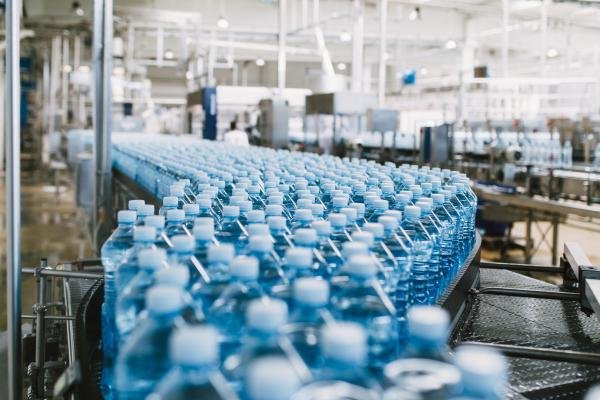
Image: Modern beverage packaging line – mono-material designs are becoming the norm under PPWR.
3. Mandatory Recycled Content
PPWR sets binding minimum percentages of post-consumer recycled plastic in packaging. The targets that matter most for flexible packaging exporters include:
| Packaging Type | 2030 Target | 2040 Target |
|---|---|---|
| Other plastic packaging | 35% | 65% |
| Non-PET food-contact packaging | 10% | 25% |
| PET contact-sensitive packaging | 30% | 50% |
For makers of non-food PE self-sealing bags and pouches, the “other plastic packaging” category is the immediate reference, with a 35% recycled-content target by 2030.
What Exporters Should Do Now
Waiting until August 2026 is risky. Forward-looking suppliers are already taking these steps:
- Audit materials: Confirm resin grades, colorants, and additives meet heavy-metal and PFAS limits.
- Switch to mono-material designs: Replace multi-layer films with single-polymer PE or PP structures where performance allows.
- Source recycled resin: Build relationships with GRS-certified recyclers for rPE, rPP, or PCR blends.
- Document recyclability: Prepare design-for-recycling assessments and technical files for EU importers.
- Track national implementations: Although PPWR is a regulation, member states will still designate enforcement authorities and reporting portals.
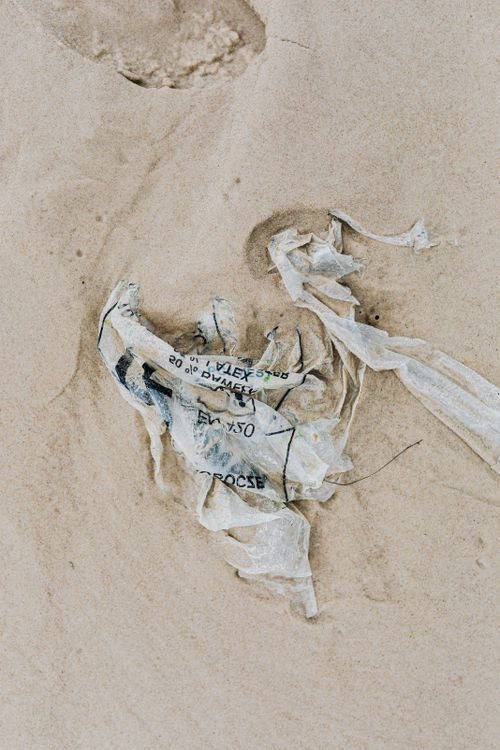
Image: Plastic film pollution remains a major driver behind stricter EU packaging rules.
Opportunity, Not Just Burden
While compliance adds cost and complexity, it also creates commercial advantage. EU brand owners and distributors increasingly prefer suppliers who can deliver recyclable, mono-material, recycled-content flexible packaging with full traceability. Manufacturers that invest early in compliant LDPE and PP self-sealing bag lines are likely to win shelf space and long-term contracts as the regulation beds in.
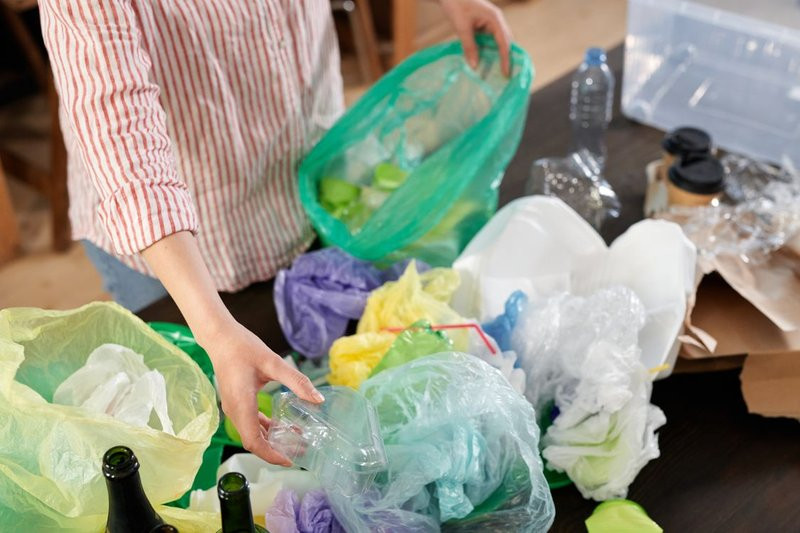
Image: Separate collection and clean material streams are essential for high-quality recycling.
Key Dates to Remember
- 11 February 2025 – PPWR entered into force
- 12 August 2026 – General application date
- 2030 – All packaging must be recyclable; first recycled-content targets apply
- 2038 – Only A/B grade recyclable packaging allowed on the market
Bottom Line
The EU PPWR is rewriting the rules for plastic packaging exports. For producers of self-sealing bags, ziplock pouches, and flexible films, the path forward is clear: design for recyclability, use verified recycled content, and eliminate substances of concern. Companies that adapt before 12 August 2026 will be best positioned to serve the EU market and compete on compliance as well as price.
-
Jul 31,2026
Food-Safe Self-Sealing Bags: Understanding FDA, LFGB, and EU 10/2011 Standards
view more -
Jul 31,2026
Anti-Static Self-Sealing Bags: Material Science and Selection Guide for Electronics Packaging
view more -
Jul 31,2026
EU PPWR 2026: What Plastic Bag and Flexible Packaging Exporters Must Know Before 12 August
view more
-
Contact Us
 Learn moreTel: +86-15602809087 Water Yang
+86-15815931682 Helena He
-
Product Category
-
COMPANY
-
LET'S STAY IN TOUCH


