


Ziplock Bag Sourcing Guide: MOQ, Pricing & QC for Importers
Back to previous pageIntroduction: Why Bulk Ziplock Bag Sourcing Matters
Ziplock bags—also known as resealable bags, self-sealing bags, or slider storage bags—are among the most widely used flexible packaging products worldwide. From food storage and retail merchandising to industrial parts organization and e-commerce fulfillment, these versatile bags serve a staggering range of applications. For importers, distributors, and brand owners, sourcing ziplock bags in bulk from manufacturing hubs like China offers significant cost advantages—but only when the process is approached with a clear understanding of minimum order quantities (MOQ), pricing structures, and quality control protocols. This guide walks through the essential factors every importer should evaluate before placing a bulk ziplock bag order.
Understanding Minimum Order Quantities (MOQ) for Ziplock Bags
MOQ is the smallest quantity a manufacturer is willing to produce in a single order. For ziplock bags, MOQ varies based on several factors:
Standard vs. Custom Specifications
For standard-size, stock-color ziplock bags (such as plain clear 100×150 mm PE bags), MOQs typically start at 10,000 to 50,000 pieces. These are often already in production or require minimal setup, making them accessible for smaller importers. Custom bags—those requiring specific dimensions, film colors, printed logos, or special zipper mechanisms—usually carry higher MOQs ranging from 50,000 to 100,000 pieces or more. The reason is straightforward: each custom specification requires dedicated film extrusion runs, printing plate setup, and machine calibration, all of which become cost-prohibitive at low volumes.
How to Negotiate MOQ
If your required quantity falls below a manufacturer's stated MOQ, consider these strategies. First, ask whether the factory has upcoming production runs for similar specifications that could accommodate your order as an add-on. Second, offer to use standard dimensions and materials while customizing only the printing. Third, for trial orders, some manufacturers may accept a lower MOQ with a small surcharge. Building a long-term relationship often leads to greater flexibility over time.
Key Pricing Factors for Bulk Ziplock Bags
Understanding what drives the unit price of ziplock bags helps importers compare quotes accurately and identify hidden costs.
Raw Material Costs
The primary raw materials for ziplock bags are LDPE (low-density polyethylene) and HDPE (high-density polyethylene) film. Polyethylene resin prices are closely tied to global crude oil markets and fluctuate accordingly. When requesting quotes, ask suppliers whether the price is valid for a specific period—typically 7 to 30 days—given resin price volatility. Some manufacturers offer locked pricing for confirmed orders with a deposit.
Bag Thickness and Gauge
Thickness is measured in microns (metric) or mils (imperial, 1 mil = 25.4 microns). Common ziplock bag thicknesses range from 40 to 100 microns. Thicker bags use more material and cost more per unit but offer greater durability and puncture resistance. Importers should match thickness to the intended application: light-duty storage bags may suffice at 40–50 microns, while heavy-duty industrial bags may require 80–100 microns or more.
Printing and Customization
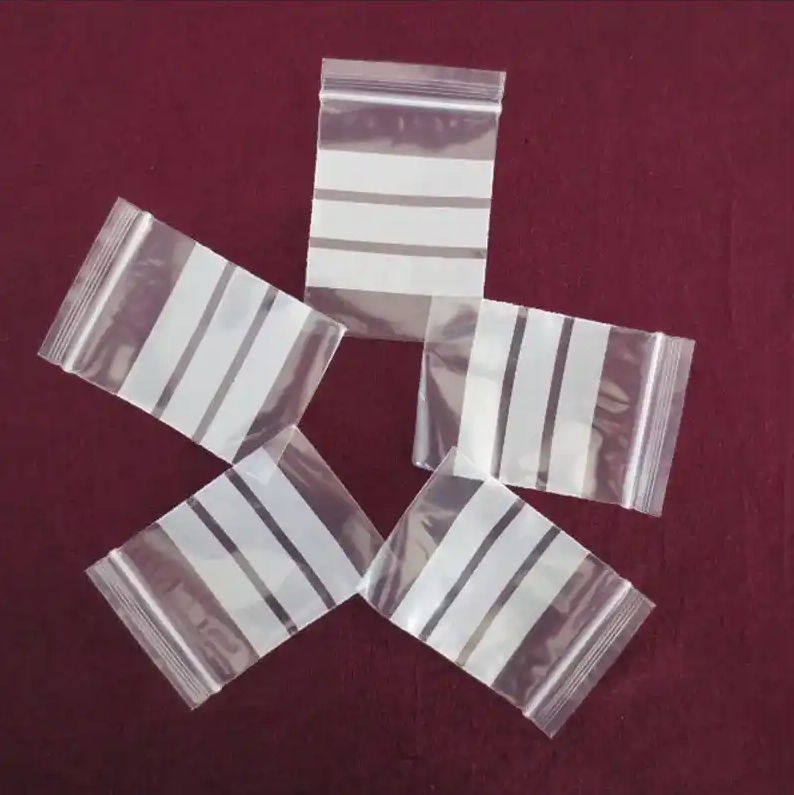
Custom printing adds cost through plate or cylinder charges (one-time setup fees) and per-unit ink costs. Single-color printing is the most economical, while multi-color or full-surface printing increases the price per bag significantly. Other customization factors include slider zippers (more expensive than press-to-close seals), hang holes, write-on white blocks, and UV-resistant additives.
Order Volume and Tiered Pricing
Unit prices decrease as order volume increases due to fixed setup costs being distributed across more units. Always request a tiered price sheet showing unit costs at multiple quantity breakpoints—for example, 50,000, 100,000, 200,000, and 500,000 pieces. This allows you to identify the volume at which per-bag cost stabilizes and plan inventory accordingly.
Quality Control: What Importers Must Check
Quality issues in bulk ziplock bag orders can lead to customer complaints, returned shipments, and reputational damage. A robust QC process should cover the following dimensions.
Seal Strength and Zipper Functionality
The zipper seal is the defining feature of a ziplock bag. Test seal strength by filling bags to capacity and applying gentle pressure to check for leaks or seal separation. The zipper track should open and close smoothly without catching or separating prematurely. A reliable manufacturer will provide seal strength test data upon request.
Film Uniformity and Clarity
Film thickness should be consistent across the bag surface. Uneven thickness can cause weak points prone to tearing. For clear bags, optical clarity matters—cloudy or yellowed film suggests recycled content or processing inconsistencies. Request samples before placing a bulk order and compare film quality under consistent lighting conditions.
Dimensional Accuracy
Bags should match specified dimensions within a tolerance of ±2 mm. Undersized bags may not fit intended products, while oversized bags waste material and increase shipping costs. Measure a random sample of 30–50 bags from a production run to verify consistency.
Third-Party Inspection
For large orders, consider hiring a third-party inspection service to conduct pre-shipment quality checks. Inspectors typically follow AQL (Acceptable Quality Limit) sampling standards, examining a statistically significant sample for defects in sealing, printing, dimensions, and material integrity. The cost of inspection is minor compared to the financial impact of receiving a container of defective bags.
Logistics and Shipping Considerations
Ziplock bags are lightweight but bulky, meaning shipping costs can represent a significant portion of the landed cost. Sea freight is the standard choice for bulk orders, with FCL (full container load) shipping offering better per-unit economics than LCL (less than container load). When comparing supplier quotes, clarify whether prices are FOB (free on board) or EXW (ex works), as this determines who bears responsibility and cost for inland transportation and export clearance. Allow 25–35 days for production and 15–30 days for sea freight depending on destination port.
Conclusion
Sourcing ziplock bags in bulk requires careful attention to MOQ negotiation, pricing factor analysis, and multi-layered quality control. By understanding how material costs, thickness specifications, printing requirements, and order volume interact to determine unit price, importers can make informed decisions that balance cost with quality. Always request samples, verify specifications in writing, and consider third-party inspection for high-value orders. At YD Plastics, we support importers with RoHS-compliant materials, OEM/ODM support, custom printing capabilities, and ready samples and quotations—helping you navigate the sourcing process with confidence.
-
Contact Us
 Learn moreTel: +86-15602809087 Water Yang
+86-15815931682 Helena He
-
Product Category
-
COMPANY
-
LET'S STAY IN TOUCH


