


Heavy-Duty Ziplock Bags: Specifying Thick-Gauge PE Storage Bags for Hardware, Tools, and Industrial Parts
Back to previous pageWhen a bag holds a kilogram of bolts instead of a few screws, ordinary thin-gauge ziplock bags stop being an option. Heavy-duty PE storage bags — often called dense-seal or thick-gauge reclosable bags — sit at the top of the self-sealing bag range, and choosing the right specification makes the difference between a bag that survives the warehouse and one that splits on the shelf. This guide explains how buyers should evaluate gauge, zipper design, and load limits before placing an order.
Why Gauge Matters More Than Size
Standard light-duty ziplock bags run between 40 and 60 microns, which is fine for stationery, snacks, or garments. For hardware, tools, castings, and machined parts, most factories specify 100 to 200 micron LDPE film. At 100 microns the film resists puncture from sharp edges such as drill bits and fastener threads; at 150 to 200 microns the bag can be handled repeatedly, stacked in cartons, and reused across multiple production cycles without whitening or tearing at the creases.
A practical rule used on the factory floor: the heavier and sharper the contents, the higher the gauge and the wider the seal lip. A bag holding 500 g of hex bolts needs a thicker side wall and a reinforced bottom seal far more than it needs extra width.

Zipper Track and Seal Strength
With heavy contents, the closure becomes the weak point. A single-track zipper may open under the weight of tools shifting in transit, so dense-seal bags for industrial use normally adopt a double-track zipper with a wider grip area. Before shipment, a reliable supplier performs two simple tests on every batch: a water-fill hanging test to confirm the seal holds under load, and a repeated open-close cycle test to confirm the track still closes securely after 20 or more uses.

Quick Specification Checklist for Buyers
When requesting a quotation for heavy-duty reclosable bags, confirm five points: film gauge in microns rather than vague thickness descriptions; zipper type (single or double track); whether the bag needs a write-on panel for part numbers; load expectation per bag; and packaging of the empty bags themselves, since a 200-micron bag folded flat takes significant carton space.
Where Heavy-Gauge Bags Earn Their Cost
Typical applications include fastener kits for furniture assembly, small tool sets shipped to end customers, replacement parts for after-sales service, electronic housings awaiting assembly, and laboratory or workshop sampling. Compared with rigid boxes, a thick PE bag costs a fraction of the price, shows the contents immediately, and protects parts from dust and moisture on long warehouse stays.
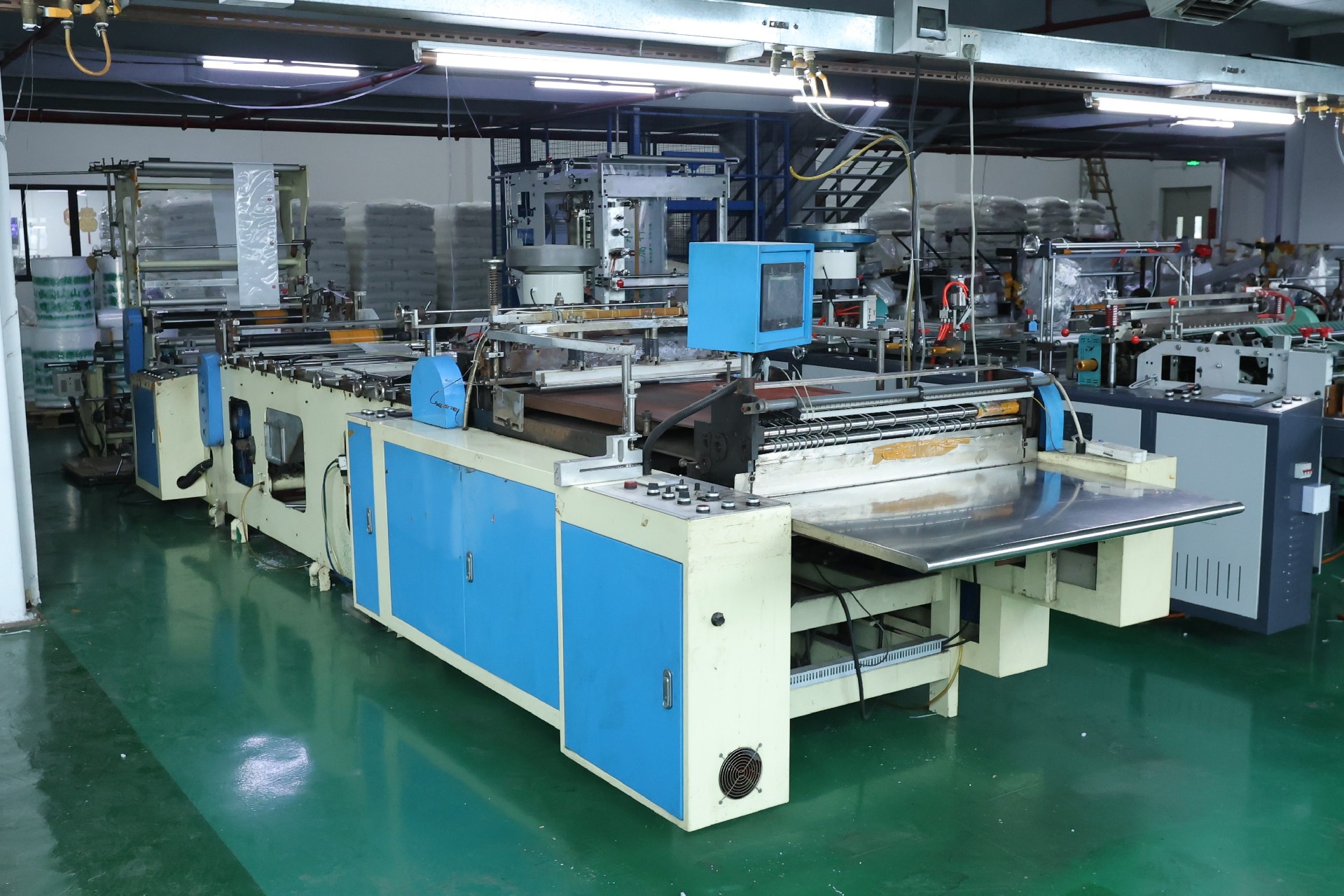
For small and mid-size buyers, the key is working with a factory that can adjust gauge, zipper spec, and bag dimensions without large minimum quantities. Flexible production lines and short changeover times allow mixed sizes in one order, which keeps inventory lean while still matching each part to the right bag specification.
-
Oct 09,2026
Custom Printed Ziplock Bags: Gravure vs Flexo Printing on PE Film
view more -
Oct 23,2026
What Drives the Cost of Custom Ziplock Bags? A Factory Breakdown of Film, Zipper, Printing, and Order Quantity
view more -

Aug 24,2026
E-Commerce Flexible Packaging Market 2026: How Online Retail Growth Drives Self-Sealing Bag and Protective Mailer Demand
view more
-
Contact Us
 Learn moreTel: +86-19924115025 sam liang
-
Product Category
-
COMPANY
-
LET'S STAY IN TOUCH


